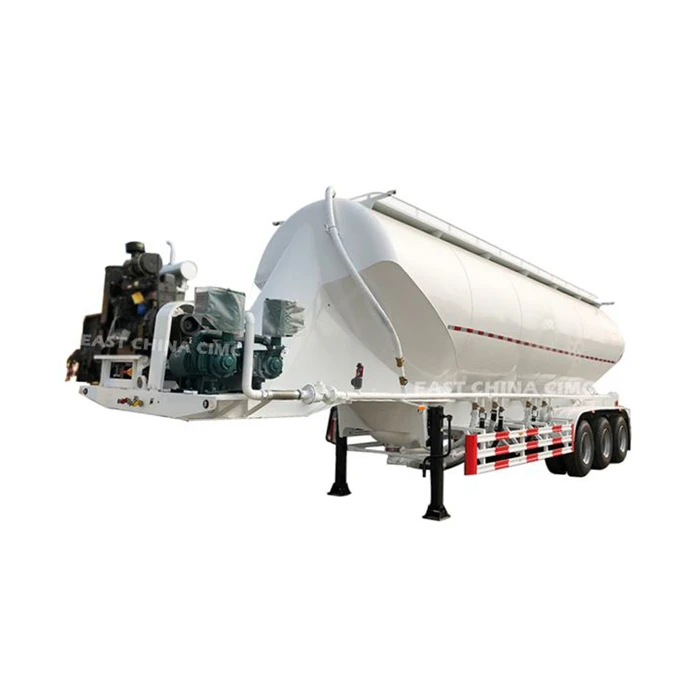
Hey there! As a supplier of Bulk Flour Tankers, I often get asked about the maintenance schedule for these bad boys. So, I thought I'd put together a blog post to share some insights on what you need to do to keep your bulk flour tanker in tip - top shape.
Daily Maintenance
First things first, let's talk about the daily checks. Every day before you hit the road, you've gotta do a quick inspection. Start with a visual check of the tanker's exterior. Look for any signs of damage like dents, scratches, or cracks. These might seem minor, but they can lead to bigger problems down the line, like leaks or structural weakness.
Check the tires too. Make sure the tire pressure is at the right level. Under - inflated or over - inflated tires can cause uneven wear, affect the tanker's handling, and even lead to a blowout. Also, look for any signs of wear and tear on the tires, such as bald spots or cuts.
The valves and fittings are another crucial part. Check that all the valves are properly closed and sealed. Any loose or leaking valves can cause product loss or contamination. You should also give the hoses a once - over. Look for any signs of wear, kinks, or damage. A damaged hose can cause a leak during the loading or unloading process.
Weekly Maintenance
On a weekly basis, you need to dig a little deeper. One of the most important things is to clean the interior of the tanker. Flour can build up over time, and if it's not removed, it can lead to mold and bacteria growth. This can not only contaminate your next load of flour but can also damage the tanker's interior. Use a proper cleaning agent and a good pressure washer to get rid of all the flour residues.
You should also check the suspension system weekly. Look for any signs of wear on the shocks, springs, and other components. A worn - out suspension can affect the tanker's stability and ride quality, which can be dangerous on the road.
Don't forget about the electrical system. Check the lights, turn signals, and brake lights to make sure they're all working properly. Faulty lights are a major safety hazard, especially when you're driving at night or in low - visibility conditions.
Monthly Maintenance
Once a month, it's time for some more in - depth maintenance. Start by checking the tanker's structural integrity. Look for any signs of rust or corrosion, especially in areas where the paint has chipped off. Rust can weaken the metal and compromise the safety of the tanker. If you find any rust, you should remove it and repaint the affected area as soon as possible.
The hydraulic system, if your tanker has one, also needs monthly attention. Check the hydraulic fluid level and look for any signs of leaks. Low fluid levels or leaks can cause the hydraulic system to malfunction, which can affect the operation of the tanker's dumping or unloading mechanisms.
It's also a good idea to have the engine serviced monthly. This includes changing the oil, checking the filters, and inspecting the belts and hoses. A well - maintained engine will ensure that your tanker runs smoothly and efficiently.
Quarterly Maintenance
Every three months, you'll want to take a more comprehensive look at your bulk flour tanker. The axle bearings should be checked for proper lubrication and wear. Worn - out axle bearings can lead to wheel wobbling and even wheel separation, which is extremely dangerous.
You should also have the entire braking system inspected. This includes checking the brake pads, rotors, and brake lines. Faulty brakes can put you and other road users at risk, so it's crucial to keep them in good working condition.
At this time, you can also review the tanker's documentation. Make sure all the records of maintenance, inspections, and certifications are up - to - date. This is important for compliance with regulations and for the overall safety and reliability of your tanker.
Annual Maintenance
Once a year, your bulk flour tanker should undergo a major overhaul. This is the time to have a professional mechanic perform a thorough inspection of the entire vehicle. They'll check the engine, transmission, hydraulic system, and all other major components. They can also identify any potential problems before they become serious.
The annual maintenance also includes a full repainting of the tanker. This not only makes the tanker look good but also helps protect the metal from rust and corrosion.
Now, I want to take a moment to talk about our products. We offer a variety of Bulk Flour Tankers, including the V Type Powder Tank Trailer, the CIMC 60cbm Aluminum Flour Tank Trailer, and the Rear Tipper Flour Trailer. These tankers are built to last and are designed with the latest technology to ensure efficient and safe transportation of bulk flour.
If you're in the market for a new Bulk Flour Tanker or if you have any questions about maintenance, feel free to reach out. We're here to help you make the right choice and keep your tanker in the best condition possible. Whether you're a small business owner or a large - scale distributor, we've got the solutions for you.
In conclusion, following a proper maintenance schedule is crucial for the longevity and performance of your bulk flour tanker. By taking care of your tanker on a daily, weekly, monthly, quarterly, and annual basis, you can avoid costly repairs and downtime. And if you're thinking about getting a new tanker, don't hesitate to consider our high - quality products.
References
- Fleet Maintenance Magazine articles on tanker maintenance
- Industry guidelines for bulk food transportation equipment maintenance
So, what are you waiting for? Get in touch and let's start talking about how we can meet your bulk flour tanker needs.