

Hey there! As a supplier of fence semi - trailers, I often get asked, "Are fence semi - trailers resistant to corrosion?" It's a valid question, especially when you're shelling out your hard - earned cash for a big purchase like this. So, let's dig deep and find out.
First off, let's understand what corrosion is. Corrosion is basically the process where metals react with substances in their environment, like oxygen and water, and break down. You've probably seen rust on old cars or metal fences – that's a form of corrosion. For fence semi - trailers, corrosion can be a real headache. It can weaken the structure, reduce the trailer's lifespan, and even affect its appearance.
Now, the answer to whether fence semi - trailers are resistant to corrosion isn't a simple yes or no. It depends on a bunch of factors, starting with the materials used.
Materials Matter
Most fence semi - trailers are made from steel or aluminum. Steel is a popular choice because it's strong and relatively inexpensive. But here's the catch – steel is prone to rusting. When steel comes into contact with moisture and oxygen, a chemical reaction occurs, and iron oxide (rust) forms. This rust can eat away at the steel, causing it to weaken over time.
However, not all steel is created equal. Some manufacturers use galvanized steel for their fence semi - trailers. Galvanizing is a process where a layer of zinc is applied to the steel. Zinc is more reactive than iron, so when it's exposed to the elements, it corrodes first, protecting the underlying steel. This can significantly increase the trailer's resistance to corrosion.
On the other hand, aluminum is a great alternative. Aluminum naturally forms a thin oxide layer on its surface when exposed to air. This layer acts as a protective barrier, preventing further corrosion. It's also lightweight, which can be a plus when you're looking to save on fuel costs. But aluminum trailers can be more expensive upfront compared to steel ones.
Design and Construction
The way a fence semi - trailer is designed and built also plays a crucial role in its corrosion resistance. For example, proper drainage is essential. If water can't drain off the trailer easily, it will pool in certain areas, increasing the risk of corrosion. A well - designed trailer will have sloped floors and drainage holes to allow water to escape.
Also, the joints and connections in the trailer need to be properly sealed. If there are gaps or openings, moisture can seep in and cause corrosion from the inside. Good welds are also important. Poorly welded joints can create weak spots where corrosion can start.
Maintenance
No matter how corrosion - resistant a fence semi - trailer is, regular maintenance is key. After all, even the best - built trailers can succumb to corrosion if they're not taken care of.
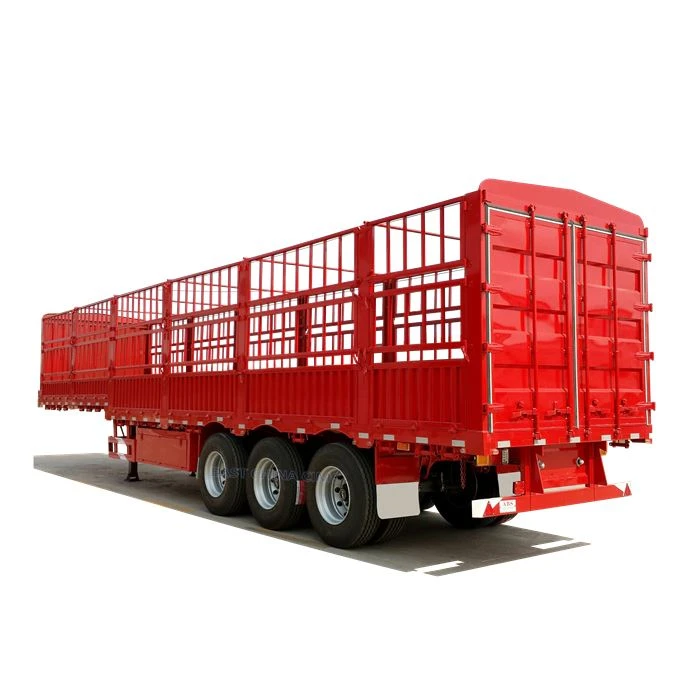

One of the simplest things you can do is keep the trailer clean. Dirt, mud, and road salt can all accelerate the corrosion process. Wash the trailer regularly, especially after it's been exposed to harsh conditions. Make sure to use a mild detergent and a soft brush to avoid scratching the surface.
Inspect the trailer regularly for signs of corrosion. Look for rust spots, flaking paint, or any other signs of damage. If you catch corrosion early, you can often treat it before it becomes a major problem. There are various corrosion - resistant paints and coatings available that you can apply to affected areas.
Real - World Examples
Let me share a couple of real - world examples to give you a better idea of how corrosion can affect fence semi - trailers.
I had a customer who bought a steel fence semi - trailer for transporting livestock. He used it in a coastal area, where the air was salty and humid. Unfortunately, he didn't take proper care of the trailer. He didn't wash it regularly, and he didn't inspect it for corrosion. After a few years, the trailer started to show signs of rust. The rust had spread to the frame, and some of the joints were starting to weaken. Eventually, he had to replace parts of the trailer, which cost him a significant amount of money.
On the other hand, another customer purchased an aluminum fence semi - trailer for hauling cargo. He followed the maintenance schedule religiously. He washed the trailer after every trip and inspected it for any signs of damage. Even after several years of use, the trailer still looked great, and there was no visible corrosion.
Our Fence Semi - Trailer Offerings
At our company, we offer a range of fence semi - trailers to meet different needs. If you're in the business of transporting livestock, our Livestock Transport Fence Semi Trailer is a great option. It's built with high - quality materials and designed to withstand the rigors of daily use.
If you need a trailer for general cargo, check out our Fence Cargo Trailer. It's versatile and corrosion - resistant, thanks to our careful selection of materials and construction techniques.
And for those looking for a more heavy - duty option, our Cargo Fence Semi Trailer is built to last. We use the latest technology and best practices to ensure that our trailers are as corrosion - resistant as possible.
Conclusion
So, are fence semi - trailers resistant to corrosion? It depends on the materials, design, and maintenance. While no trailer is completely immune to corrosion, choosing the right materials, having a well - designed trailer, and following a regular maintenance schedule can go a long way in preventing it.
If you're in the market for a fence semi - trailer, I encourage you to reach out to us. We can help you choose the right trailer for your needs and provide you with all the information you need to keep it in top condition. Whether you're a small business owner or a large - scale transporter, we've got the perfect solution for you. Contact us today to start the conversation about your fence semi - trailer needs.
References
- "Corrosion of Metals." Metallurgy Handbook, 2022 Edition.
- "Trailer Design and Maintenance Guide." Trailer Manufacturers Association, 2023.