

Can a flour trailer be used on unpaved roads? That's a question I get asked a lot as a flour trailer supplier. In this blog, I'll share my insights on this topic based on my experience in the industry.

How Flour Trailers Work
First off, let's talk a bit about flour trailers. These trailers are specially designed to transport flour and other powdered goods safely and efficiently. They come in different shapes and sizes, but most have a tank or silo where the flour is stored. Some are tipping trailers, which means they can tilt to unload the flour, like the CIMC Powder|Flour Tipping Silo Tanker. Others, like the CIMC 60cbm Aluminum Flour Tank Trailer, are built with advanced materials to keep the flour in top - notch condition during transit.

Advantages of Using Flour Trailers on Unpaved Roads
There are a few reasons why using a flour trailer on unpaved roads can be a good idea.
Accessibility
Unpaved roads are common in rural areas where flour mills might be located or where flour is being delivered. A flour trailer gives you the ability to reach these places that might be off - limits to other types of transportation. For example, if there's a small bakery in a remote village, a flour trailer can navigate the unpaved roads to deliver the much - needed flour right to their doorstep.
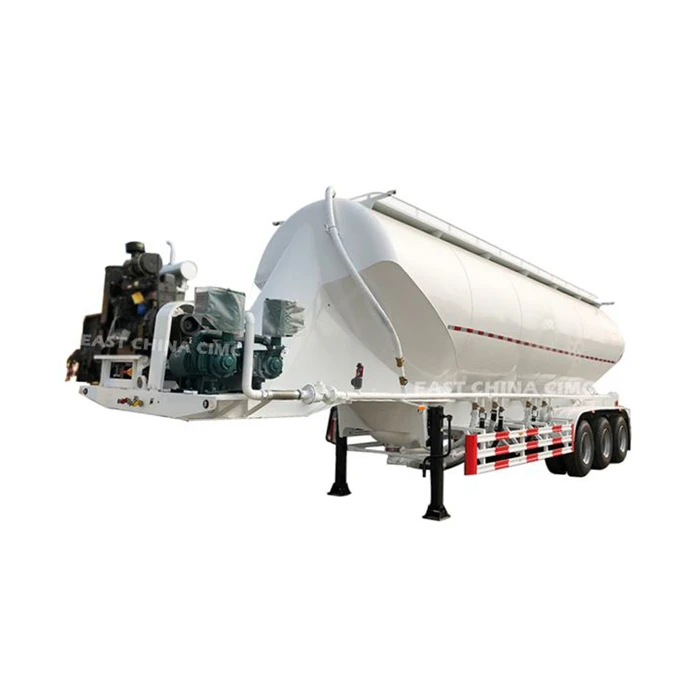
Flexibility
Flour trailers are generally quite flexible. They can be attached to different types of trucks, allowing you to choose the best combination for the job. This flexibility comes in handy when dealing with unpaved roads, as you can adjust your vehicle setup according to the road conditions. You might need a more powerful truck to pull the trailer through muddy or uneven terrain, and a well - designed flour trailer can adapt to such changes.
Challenges of Using Flour Trailers on Unpaved Roads
However, it's not all sunshine and rainbows when it comes to using flour trailers on unpaved roads. There are some significant challenges that you need to be aware of.
Road Conditions
Unpaved roads can be rough, with potholes, ruts, and uneven surfaces. These conditions can cause a lot of vibrations and jolts to the trailer. Over time, these vibrations can damage the trailer's structure. The tank or silo might develop cracks, which could lead to flour leakage. Also, the suspension system of the trailer can wear out faster due to the constant impact from the rough road.
Dust and Contamination
Driving on unpaved roads kicks up a lot of dust. This dust can be a major problem for flour trailers. If the dust gets into the trailer through small openings or leaks, it can contaminate the flour. Contaminated flour is not only a waste of product but can also pose health risks if it reaches the end - consumer. So, proper sealing of the trailer is crucial when using it on unpaved roads.
Maintenance
Using a flour trailer on unpaved roads means more wear and tear. The wheels, tires, and brakes are all under greater stress compared to when the trailer is used on smooth, paved roads. Regular maintenance becomes even more important. You'll need to check the trailer's components more frequently, replace worn - out parts promptly, and make sure that the trailer is in good working condition at all times.
Tips for Using Flour Trailers on Unpaved Roads
If you've decided that using a flour trailer on unpaved roads is the way to go, here are some tips to make the process smoother.
Choose the Right Trailer
Not all flour trailers are created equal. When you know you'll be using the trailer on unpaved roads, look for trailers that are built to withstand rough conditions. The Rear Tipper Flour Trailer is a great option as it's designed with durability in mind. It has a strong frame and well - protected tank to handle the bumps and jolts of unpaved roads.
Seal the Trailer Properly
To prevent dust contamination, make sure the trailer is properly sealed. Check all the hatches, valves, and connections regularly to ensure there are no gaps or leaks. You can also use additional sealing materials if needed.
Drive Carefully
When driving on unpaved roads, take it slow. Avoid sudden stops and starts, as these can cause the flour inside the trailer to shift and potentially damage the trailer. Also, try to steer clear of large potholes and deep ruts to minimize the impact on the trailer.
Conclusion
So, can a flour trailer be used on unpaved roads? The answer is yes, but it comes with its own set of challenges. With the right trailer, proper maintenance, and careful driving, you can successfully use a flour trailer on unpaved roads. If you're in the market for a high - quality flour trailer, whether for paved or unpaved roads, we're here to help. We offer a wide range of trailers, including the ones I've mentioned above, that are built to meet your specific needs. If you're interested in learning more about our products or have any questions, don't hesitate to reach out to us for a purchase negotiation.
References
- Industry knowledge and experience as a flour trailer supplier.
- Conversations with other professionals in the transportation and flour industry.