

Can I stack cargo in a cargo trailer? This is a question that many customers, whether they are small - business owners shipping products or logistics companies managing large - scale freight, often ask. As a leading cargo trailer supplier, I'd like to share some insights on this topic to help you make informed decisions.
Understanding the Basics of Cargo Trailer Capacity
Before we delve into the stacking of cargo, it's essential to understand the fundamental concepts of a cargo trailer's capacity. Cargo trailers come in various sizes and configurations, each with its own set of specifications regarding weight capacity and interior volume.
The weight capacity of a trailer is determined by its design, including the strength of the frame, axles, and suspension system. Overloading a trailer can lead to serious safety issues, such as brake failure, tire blowouts, and poor handling on the road. For example, if a trailer is rated for a maximum gross vehicle weight rating (GVWR) of 10,000 pounds, you must ensure that the combined weight of the cargo, trailer, and any additional equipment does not exceed this limit.
Interior volume is another crucial factor. The length, width, and height of the trailer determine how much space is available for cargo. Some trailers, like the EAST CHINA CIMC Double Wing Box Truck Trailer, are designed with a large and open interior, providing more flexibility for loading different types of cargo.
Advantages of Stacking Cargo
Stacking cargo in a trailer can offer several benefits. Firstly, it maximizes the use of available space. By stacking items vertically, you can fit more products into the same trailer, which can reduce the number of trips needed to transport your goods. This, in turn, can lead to significant cost savings in terms of fuel, labor, and vehicle wear - and - tear.
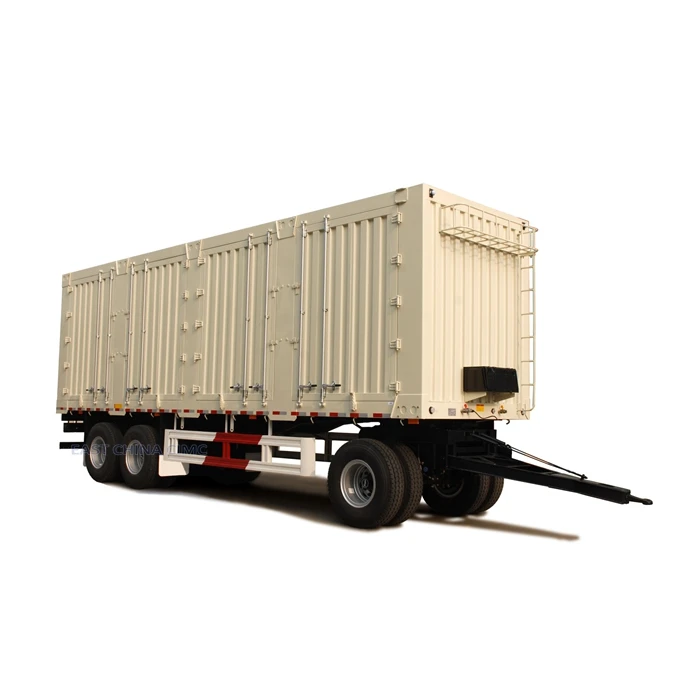

Secondly, stacking can help organize the cargo more efficiently. You can separate different types of products by stacking them in layers, making it easier to access specific items during unloading. For example, if you are transporting a mix of small and large items, you can stack the small items on top of the large ones, creating a more orderly and space - efficient load.
Considerations When Stacking Cargo
However, stacking cargo in a trailer is not without its challenges. There are several factors that you need to consider to ensure the safety and integrity of your load.
Weight Distribution
Proper weight distribution is crucial when stacking cargo. Uneven weight distribution can cause the trailer to become unstable, increasing the risk of accidents. You should aim to distribute the weight evenly from front to back and side to side. Heavier items should be placed at the bottom of the stack and closer to the axles to maintain a low center of gravity.
Cargo Stability
The stability of the stacked cargo is another important consideration. You need to ensure that the items are securely stacked and won't shift during transit. This can be achieved by using appropriate packaging materials, such as straps, ropes, or pallets. For example, if you are stacking boxes, you can use stretch wrap to hold them together and prevent them from toppling over.
Compatibility of Cargo
Not all types of cargo are suitable for stacking. Some items may be fragile or have specific handling requirements. For example, glassware or electronics should be handled with care and may not be suitable for stacking under heavy items. You need to assess the compatibility of the cargo before stacking to avoid damage.
Trailer Design and Stacking
The design of the trailer can also have a significant impact on the feasibility of stacking cargo. Some trailers are better suited for stacking than others.
Height and Accessibility
Trailers with higher interior heights provide more vertical space for stacking. However, you also need to consider the accessibility of the cargo. If the trailer has a low - ceilinged entrance or limited access points, it may be difficult to stack and unstack the cargo efficiently. Trailers like the Open Wing Van Box Truck Trailer offer easy access from the sides, which can be beneficial when stacking and unloading cargo.
Flooring and Structural Integrity
The flooring of the trailer should be strong enough to support the weight of the stacked cargo. A trailer with a weak or damaged floor may not be able to withstand the pressure, leading to floor collapse and damage to the cargo. Additionally, the structural integrity of the trailer walls and roof is important to prevent any shifting or collapse of the stacked items.
Different Types of Cargo Trailers and Stacking
Let's take a closer look at how different types of cargo trailers can accommodate stacking.
Enclosed Trailers
Enclosed trailers are a popular choice for transporting a wide range of goods. They offer protection from the elements and can be easily secured. Stacking in enclosed trailers is relatively straightforward, as long as you follow the weight distribution and stability guidelines. The enclosed design also allows for better organization of the stacked cargo.
Flatbed Trailers
Flatbed trailers are often used for transporting large or heavy items. While stacking on a flatbed trailer is possible, it requires more careful planning and securing. You need to use appropriate tie - downs and ensure that the cargo is properly balanced. Trailers like the Drawbar Trailer Dolly Trailer can be used in combination with other trailers to transport stacked cargo over longer distances.
Best Practices for Stacking Cargo
To ensure a successful and safe stacking operation, here are some best practices that you should follow:
- Plan Ahead: Before loading the trailer, make a plan for how you will stack the cargo. Consider the size, weight, and fragility of the items, as well as the trailer's capacity and design.
- Use Proper Equipment: Invest in high - quality packaging materials, such as straps, ropes, and pallets, to secure the stacked cargo. You may also need equipment like forklifts or pallet jacks to load and unload the items safely.
- Inspect the Trailer: Before loading, inspect the trailer for any signs of damage or wear. Check the floor, walls, roof, and doors to ensure that they are in good condition.
- Train Your Staff: If you have employees involved in the loading and stacking process, provide them with proper training on safety procedures and best practices.
Conclusion
In conclusion, stacking cargo in a cargo trailer is possible and can offer many benefits, but it requires careful planning and consideration. As a cargo trailer supplier, we understand the importance of providing our customers with trailers that are suitable for their specific needs. Whether you are looking for a trailer with a large interior volume or one that offers easy access for stacking, we have a wide range of options available, including the EAST CHINA CIMC Double Wing Box Truck Trailer, Drawbar Trailer Dolly Trailer, and Open Wing Van Box Truck Trailer.
If you are interested in learning more about our cargo trailers or have specific requirements for your cargo stacking needs, we encourage you to contact us for a detailed discussion. Our team of experts is ready to assist you in finding the perfect trailer solution for your business.
References
- "Cargo Trailer Safety and Loading Guidelines" - Department of Transportation
- "Best Practices for Stacking and Securing Cargo" - Logistics Management Magazine