

As a supplier of Bulk Flour Tankers, I understand the critical role that sensors play in ensuring the safe and efficient operation of these specialized vehicles. Sensors are the eyes and ears of the tanker, providing real - time data on various parameters such as pressure, temperature, level of flour, and more. In this blog, I will delve into how we ensure the proper functioning of sensors in our Bulk Flour Tankers.
Sensor Selection
The first step in ensuring the proper functioning of sensors is to select the right ones for the job. We work with leading sensor manufacturers to source high - quality sensors that are specifically designed for the harsh conditions of flour transportation. These sensors need to be resistant to dust, moisture, and mechanical vibrations, which are common in the operation of Bulk Flour Tankers.
For example, when it comes to level sensors, we choose sensors that can accurately measure the amount of flour in the tank, regardless of the flour's density or flow characteristics. Ultrasonic level sensors are often a good choice as they can measure the distance from the sensor to the flour surface without making physical contact with the flour. This reduces the risk of sensor fouling and ensures accurate readings over time.
Installation and Calibration
Once the sensors are selected, proper installation is crucial. Our technicians are highly trained to install sensors in the correct locations within the tanker. For pressure sensors, they are installed at key points in the pneumatic system to monitor the pressure during the loading and unloading processes. Temperature sensors are placed in areas where the flour temperature needs to be monitored, such as near the tank walls or in the discharge pipes.
After installation, each sensor undergoes a rigorous calibration process. Calibration is the process of adjusting the sensor to ensure that its output accurately reflects the actual value of the parameter being measured. We use calibrated reference standards to compare the sensor's readings and make any necessary adjustments. This step is essential to guarantee the accuracy of the sensor data, which is used for critical decision - making during the operation of the Bulk Flour Tanker.
Regular Maintenance and Inspection
Regular maintenance and inspection are key to keeping the sensors in proper working condition. We recommend a scheduled maintenance program for our customers. During maintenance, the sensors are cleaned to remove any dust or debris that may have accumulated on them. This is especially important for sensors that are exposed to the flour environment, as flour can build up over time and affect the sensor's performance.
Inspection involves checking the sensor's physical condition, wiring connections, and output signals. Our technicians use specialized testing equipment to verify that the sensors are functioning within the specified tolerance levels. Any signs of damage or malfunction are addressed immediately. For example, if a sensor's wiring is damaged, it is repaired or replaced to prevent inaccurate readings or system failures.
Protection from External Factors
Bulk Flour Tankers operate in a variety of environments, and sensors need to be protected from external factors that could affect their performance. We design our tankers with protective enclosures for the sensors. These enclosures shield the sensors from dust, water, and physical impacts.
In addition, we use anti - static coatings on the sensor surfaces to prevent the accumulation of static electricity, which can interfere with the sensor's electrical signals. Static electricity can be generated during the movement of the flour, and if not properly managed, it can cause false readings or even damage the sensors.
Integration with the Tanker's Control System
The sensors in our Bulk Flour Tankers are integrated with the tanker's control system. This integration allows for seamless communication between the sensors and the control unit. The control system uses the sensor data to make real - time adjustments to the tanker's operation.
For example, if the pressure sensor detects a sudden increase in pressure during the unloading process, the control system can automatically adjust the air flow rate to prevent over - pressurization. Similarly, if the level sensor indicates that the tank is almost empty, the control system can signal the end of the unloading process.
Training for Operators
We also provide training for the operators of our Bulk Flour Tankers. Operators need to understand how the sensors work, what the sensor readings mean, and how to respond to any abnormal readings. Our training programs cover topics such as sensor operation, maintenance procedures, and troubleshooting.
By ensuring that operators are well - trained, we can minimize the risk of sensor - related problems caused by improper use. Operators are also encouraged to report any sensor issues immediately so that they can be addressed promptly.
Monitoring and Diagnostic Tools
To further enhance the proper functioning of sensors, we offer monitoring and diagnostic tools. These tools allow operators and maintenance personnel to remotely monitor the sensor data and diagnose potential problems. For example, we have developed a software application that can be installed on a mobile device or a computer. This application provides real - time access to the sensor readings and alerts the user if any sensor readings are outside the normal range.
The diagnostic tools also provide detailed information about the sensor's history, including past readings and any maintenance or repair records. This information can be used to predict potential sensor failures and plan for preventive maintenance.
Continuous Improvement
As a supplier, we are committed to continuous improvement. We constantly monitor the performance of the sensors in our Bulk Flour Tankers and collect feedback from our customers. Based on this feedback and the latest technological advancements, we make improvements to our sensor selection, installation, and maintenance processes.
For example, if we find that a particular type of sensor is prone to failure in a certain environment, we will research and test alternative sensors. We also keep up with the latest sensor technologies, such as wireless sensors, which can offer more flexibility in installation and monitoring.
In conclusion, ensuring the proper functioning of sensors in Bulk Flour Tankers is a multi - faceted process that involves sensor selection, installation, calibration, maintenance, protection, integration, training, and continuous improvement. By following these best practices, we can provide our customers with reliable Bulk Flour Tankers that operate safely and efficiently.
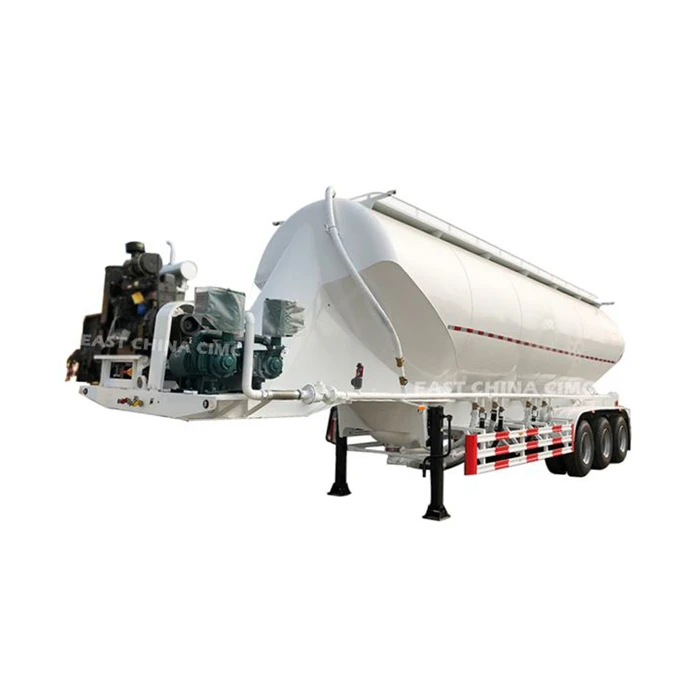

If you are interested in our Flour Tanker Trailer, CIMC 60cbm Aluminum Flour Tank Trailer or other Flour Tankers, please feel free to contact us for procurement and further discussions. We are ready to provide you with the best solutions for your flour transportation needs.
References
- "Sensor Technology Handbook" by John W. Gardner
- "Maintenance and Calibration of Industrial Sensors" - Industry white paper
- Manufacturer's documentation for the sensors used in Bulk Flour Tankers