

Hey there! I'm a supplier of Bulk Flour Tankers, and I've seen firsthand how crucial it is to prevent flour spillage. Not only is it a waste of product, but it can also create safety hazards and environmental issues. In this blog post, I'll share some of the key strategies and technologies we use to keep flour securely contained during transportation.
Proper Tank Design
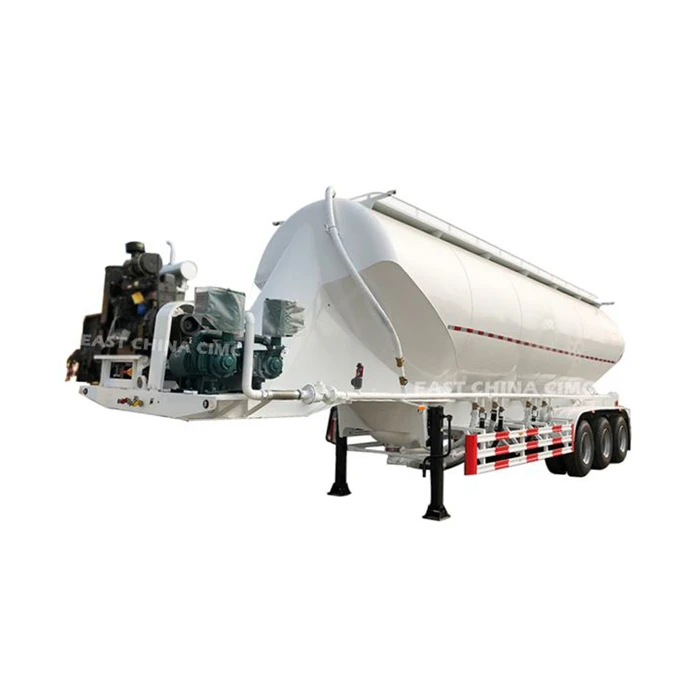
The first line of defense against flour spillage is a well - designed tanker. Our Bulk Flour Tankers are built with a focus on minimizing the risk of leaks and spills. The tanks are made from high - quality materials that are resistant to corrosion and damage. For example, we often use aluminum for its lightweight yet durable properties.
The shape of the tank is also important. A rounded design helps to distribute the pressure evenly inside the tank, reducing the stress on the walls and joints. This is especially important when the tanker is in motion, as sudden stops or turns can cause the flour to shift and create additional pressure in certain areas.

Sealing Systems
A reliable sealing system is essential for preventing flour spillage. We use advanced gaskets and seals on all access points, such as manholes, hatches, and valves. These seals are made from materials that are resistant to the abrasive nature of flour and can withstand the pressure changes inside the tank.
Regular maintenance and inspection of the sealing systems are also crucial. Over time, seals can wear out or become damaged, so we recommend checking them before each trip and replacing them as needed. This simple step can go a long way in preventing small leaks from turning into major spills.
Loading and Unloading Procedures
Proper loading and unloading procedures are another key factor in preventing flour spillage. When loading the tanker, it's important to use the right equipment and techniques. We use specially designed loading chutes that are designed to minimize dust and prevent the flour from overflowing.
During the loading process, we also monitor the level of the flour in the tank to ensure that it doesn't exceed the maximum capacity. Overloading the tanker can put extra stress on the tank and its components, increasing the risk of spillage.
Unloading the flour is just as important. We use pneumatic systems to transfer the flour from the tanker to the storage facility. These systems are designed to create a controlled flow of flour, reducing the risk of spills. Before unloading, we make sure that the receiving equipment is properly connected and sealed to prevent any leaks.
Pressure Management
Managing the pressure inside the tanker is crucial for preventing flour spillage. Flour is a fine powder, and changes in pressure can cause it to flow or escape from the tank. We use pressure relief valves to regulate the pressure inside the tank and prevent it from building up to dangerous levels.
These valves are set to open at a specific pressure, allowing excess air or flour to escape safely. This helps to maintain a stable pressure inside the tank and reduces the risk of spills. We also monitor the pressure during transportation to ensure that it stays within the safe range.
Training and Education
Finally, training and education are essential for preventing flour spillage. Our drivers and operators are trained on the proper use and maintenance of the Bulk Flour Tankers. They learn about the importance of following the loading and unloading procedures, inspecting the equipment regularly, and managing the pressure inside the tank.
We also provide ongoing training to keep our staff up - to - date on the latest safety standards and best practices. By investing in training and education, we can ensure that our team is well - equipped to prevent flour spillage and handle any potential issues that may arise.
Specific Models and Their Features
Let's take a look at some of our specific models, like the End Tipper Flour Trailer. This trailer is designed for easy and efficient unloading. It has a tipping mechanism that allows the flour to be discharged quickly and cleanly. The trailer is also equipped with a robust sealing system to prevent any spillage during the tipping process.
Another popular model is the CIMC 60cbm Aluminum Flour Tank Trailer. With a large capacity of 60 cubic meters, it's ideal for transporting large quantities of flour. The aluminum construction makes it lightweight, which helps to reduce fuel consumption. And, of course, it comes with all the features and technologies we've discussed to prevent flour spillage.
Conclusion
Preventing flour spillage is a complex but achievable goal. By using proper tank design, reliable sealing systems, following correct loading and unloading procedures, managing pressure, and providing training and education, we can minimize the risk of spills and ensure the safe transportation of flour.
If you're in the market for Bulk Flour Tankers, we'd love to talk to you. Whether you need a single tanker for a small operation or a fleet of trailers for a large - scale business, we have the expertise and the products to meet your needs. Contact us today to start a conversation about your requirements and how we can help you prevent flour spillage in your transportation operations.
References
- Industry standards and guidelines for Bulk Flour Tankers
- Manufacturer's manuals for the components used in our tankers
- Research on the properties of flour and its behavior during transportation