

As a seasoned supplier of cement tankers, I've witnessed firsthand the critical importance of preventing cement from hardening during transportation. Cement is a vital construction material, and its proper handling is essential to ensure the quality of construction projects. In this blog, I'll delve into the various methods and technologies we employ to keep cement in its optimal state throughout the journey.
The Science Behind Cement Hardening
Before we explore the prevention methods, it's crucial to understand why cement hardens. Cement is a fine powder made from limestone, clay, and other minerals. When mixed with water, a chemical reaction called hydration occurs. This reaction causes the cement to form a paste that gradually hardens and gains strength over time. The rate of hydration depends on several factors, including temperature, humidity, and the presence of additives.
In a cement tanker, the goal is to delay the hydration process until the cement reaches its destination. This requires careful control of the environment inside the tanker and the use of specialized equipment and techniques.
Insulation and Temperature Control
One of the primary factors influencing cement hydration is temperature. Higher temperatures accelerate the hydration process, while lower temperatures slow it down. To prevent cement from hardening prematurely, cement tankers are often equipped with insulation materials to maintain a stable internal temperature.
Insulation helps to reduce heat transfer between the inside and outside of the tanker, protecting the cement from extreme temperature fluctuations. Additionally, some tankers are equipped with temperature control systems, such as refrigeration units or heating elements, to further regulate the temperature inside the tank.
By maintaining a consistent temperature, we can significantly extend the time before the cement starts to harden, ensuring that it arrives at the construction site in a workable state.
Agitation and Mixing
Another effective way to prevent cement from hardening is through continuous agitation and mixing. When cement is left undisturbed for an extended period, it can settle and form clumps, which can lead to uneven hydration and premature hardening.
To prevent this, cement tankers are equipped with agitation systems that keep the cement in constant motion. These systems typically consist of rotating blades or paddles inside the tank, which stir the cement and prevent it from settling.
In addition to mechanical agitation, some tankers use pneumatic mixing systems. These systems use compressed air to create a fluidized bed of cement inside the tank, ensuring that the cement remains evenly mixed and free-flowing.
By continuously agitating and mixing the cement, we can prevent the formation of clumps and ensure that the cement remains homogeneous throughout the transportation process.
Additives and Chemicals
In some cases, additives and chemicals can be used to delay the hydration process and prevent cement from hardening prematurely. These additives are typically added to the cement during the manufacturing process or just before loading it into the tanker.
One common type of additive is a retarder, which slows down the rate of hydration by interfering with the chemical reactions that occur during the process. Retarders can be used to extend the working time of the cement, allowing it to remain in a workable state for a longer period.
Another type of additive is an anti-caking agent, which helps to prevent the cement from forming clumps and sticking to the walls of the tanker. Anti-caking agents work by coating the cement particles and reducing their surface tension, making them less likely to adhere to each other.

By using additives and chemicals, we can further enhance the performance of our cement tankers and ensure that the cement remains in its optimal state throughout the transportation process.
Our Product Offerings
At our company, we offer a wide range of cement tankers designed to meet the diverse needs of our customers. Our tankers are built with the latest technologies and materials to ensure maximum performance and reliability.
One of our popular products is the EAST CHINA CIMC Tri Axles 18cbm Concrete Mix Tank Trailer. This tanker features a large capacity of 18 cubic meters and is equipped with a powerful agitation system to keep the cement in constant motion. It also has excellent insulation properties to maintain a stable internal temperature, ensuring that the cement arrives at the destination in perfect condition.
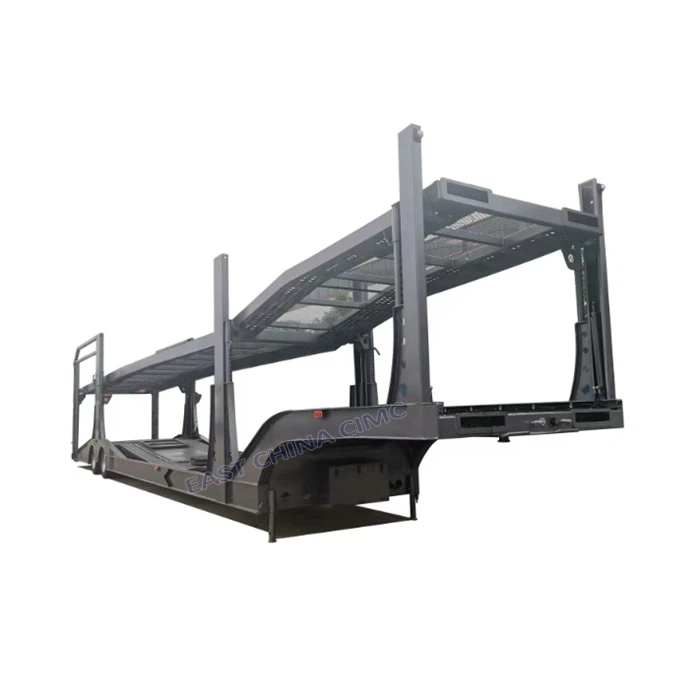
In addition to cement tankers, we also offer other types of trailers, such as Car Carrier/Transport Trailer and Dry Bulk Cement Tank Trailer. These trailers are designed to meet the specific needs of different industries and applications, providing our customers with a comprehensive range of transportation solutions.
Conclusion
Preventing cement from hardening during transportation is a critical challenge in the construction industry. By using a combination of insulation, temperature control, agitation, and additives, we can effectively delay the hydration process and ensure that the cement arrives at the construction site in a workable state.
As a leading supplier of cement tankers, we are committed to providing our customers with high-quality products and innovative solutions to meet their needs. If you are interested in learning more about our cement tankers or other trailer products, please feel free to contact us for a detailed consultation. We look forward to working with you to find the best transportation solution for your business.
References
- Neville, A. M. (1995). Properties of Concrete. Pearson Education.
- Mindess, S., Young, J. F., & Darwin, D. (2003). Concrete: Microstructure, Properties, and Materials. Prentice Hall.
- Kosmatka, S. H., Kerkhoff, B. H., & Panarese, W. C. (2002). Design and Control of Concrete Mixtures. Portland Cement Association.