

When dealing with tanker trailers, one persistent challenge that often emerges is the noise they generate. As a supplier of tanker trailers, including ISO Container Tanker, Fuel Tank Semi Trailer, and Hydrochloric Acid ISO Container Tanker, I understand the importance of addressing this issue. Excessive noise not only causes a nuisance to those in the vicinity but can also lead to regulatory compliance problems and potential wear - and - tear on the equipment itself. In this blog, I'll share some insights on how to reduce the noise generated by a tanker trailer.
Understanding the Sources of Noise
First, it's crucial to identify where the noise is coming from. A tanker trailer can produce noise from multiple sources. The engine is often one of the most significant culprits. The combustion process within the engine, the movement of pistons, and the operation of the exhaust system all contribute to a loud, rumbling sound. The tires also play a role. As they roll along the road, the friction between the tires and the surface creates noise, especially on rough or uneven roads. Additionally, the movement of the liquid cargo inside the tanker can cause sloshing, which generates noise as it impacts the walls of the tank.
Engine - Related Noise Reduction
Regular Maintenance
One of the most fundamental steps in reducing engine noise is regular maintenance. A well - maintained engine runs more smoothly and quietly. This includes changing the oil at recommended intervals, replacing air filters, and ensuring the spark plugs (in gasoline engines) are in good condition. Old or dirty oil can increase friction in the engine, leading to louder operation. A clogged air filter restricts the airflow to the engine, causing it to work harder and produce more noise.
Exhaust System Upgrades
The exhaust system is a major source of engine noise. Upgrading to a high - quality muffler can significantly reduce the noise level. Modern mufflers are designed with advanced technology to dampen the sound waves produced by the exhaust gases. For tanker trailers, we can also consider installing exhaust shields or wraps. These components not only help in reducing noise but also protect the surrounding areas from the heat generated by the exhaust.
Engine Mountings
Worn - out engine mountings can cause the engine to vibrate more than normal, leading to increased noise. Inspecting and replacing engine mountings as needed can keep the engine in place and minimize vibrations. High - quality rubber or hydraulic engine mountings are available in the market that can absorb and isolate vibrations effectively.
Tire - Related Noise Reduction
Tire Selection
When choosing tires for tanker trailers, it's important to look for those designed for low - noise operation. Tires with special tread patterns are engineered to reduce the noise generated as they roll on the road. These tread patterns are designed to break up the air flow and reduce the impact of the tire on the road surface. Some tires also have noise - reducing compounds in their rubber, which can further dampen the sound.
Proper Tire Inflation
Maintaining the correct tire pressure is essential. Under - inflated tires increase the contact area with the road, leading to more friction and noise. Over - inflated tires can also cause a harsh ride and increased noise. Regularly checking and adjusting the tire pressure according to the manufacturer's recommendations can help in reducing tire - related noise.

Wheel Alignment
Proper wheel alignment ensures that the tires roll straight and evenly. Misaligned wheels can cause uneven tire wear and increased noise. Regular wheel alignment checks and adjustments can prevent these issues and keep the tanker trailer running quietly.
Cargo - Related Noise Reduction
Baffles Installation
To reduce the sloshing noise of the liquid cargo inside the tanker, baffles can be installed. Baffles are internal partitions within the tank that divide the volume of the cargo into smaller sections. They help to slow down the movement of the liquid and reduce the impact forces when the liquid hits the tank walls. By minimizing the sloshing effect, baffles can significantly reduce the noise generated by the cargo.
Cargo Loading Practices
Proper cargo loading also plays a role. Over - filling the tank can cause excessive sloshing, especially when the tanker is in motion. Loading the cargo to the recommended capacity and ensuring a uniform distribution of the liquid within the tank can help in reducing the noise generated by the movement of the cargo.
Structural Noise Reduction
Insulation
Adding insulation to the tanker trailer can help in reducing the noise that is transmitted through the structure. Insulating materials can be applied to the walls of the tank, the floor, and the sides of the trailer. These materials absorb sound waves and prevent them from traveling through the structure. There are various types of insulation materials available, such as fiberglass, foam, and acoustic blankets.
Vibration Dampening
Vibration is a major contributor to structural noise. Using vibration - dampening materials on the frame and other structural components of the tanker trailer can help. These materials absorb and dissipate the energy generated by vibrations, reducing the noise level. For example, rubber pads can be placed between different structural parts to isolate vibrations.
Regulatory and Environmental Considerations
It's important to note that noise reduction in tanker trailers is not only about comfort and inconvenience reduction. There are often regulations regarding noise levels for commercial vehicles, including tanker trailers. By implementing the noise - reducing measures mentioned above, we not only provide a better experience for the drivers and those in the vicinity but also ensure compliance with environmental and regulatory standards.
Conclusion: Taking Action on Noise Reduction
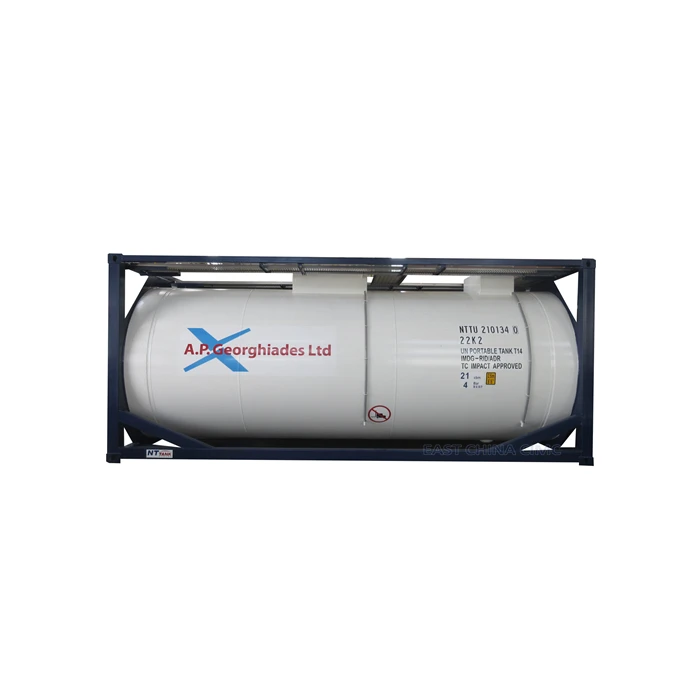
Reducing the noise generated by a tanker trailer is a multi - faceted challenge that requires a comprehensive approach. From engine maintenance to cargo management, every aspect of the tanker trailer's operation can be optimized to minimize noise. As a supplier of tanker trailers, we are committed to helping our customers address this issue. We offer a range of tanker trailer models, including ISO Container Tanker, Fuel Tank Semi Trailer, and Hydrochloric Acid ISO Container Tanker, which can be customized with noise - reducing features.
If you're interested in learning more about our noise - reducing solutions for tanker trailers or have specific requirements for your business, we're here to help. Contact us for a detailed discussion on how we can tailor our products to meet your needs and ensure a quieter and more efficient operation.
References
- SAE International, "Standards for Commercial Vehicle Noise"
- Tire manufacturers' technical literature on low - noise tires
- Industry manuals on tanker trailer design and maintenance