

Hey there! As a supplier of tanker trailers, I've seen my fair share of issues pop up with these big rigs. Troubleshooting problems with a tanker trailer can be a bit of a headache, but with the right know - how, you can get things back on track in no time. In this blog, I'll walk you through some common problems and how to fix them.
Leakage Issues
One of the most common problems with tanker trailers is leakage. This can happen for a variety of reasons, such as damaged seals, cracks in the tank, or loose fittings.
First things first, if you suspect a leak, you need to do a visual inspection. Walk around the tanker and look for any signs of liquid on the ground or on the exterior of the tank. Pay close attention to the joints, valves, and fittings. If you find a leak at a joint, it might be as simple as tightening the bolts. Use a torque wrench to make sure you're applying the right amount of force.
If the leak is coming from a valve, check to see if it's fully closed. Sometimes, valves can get stuck in a partially open position. You can try to gently tap the valve with a rubber mallet to see if it loosens up. If that doesn't work, you may need to replace the valve.
Cracks in the tank are a more serious issue. If you spot a crack, you should immediately stop using the tanker and have it repaired by a professional. Trying to patch a crack yourself can be dangerous, especially if the tanker is carrying hazardous materials like Hydrochloric Acid ISO Container Tanker.
Pressure Problems
Another common issue is pressure problems. If the pressure inside the tanker is too high or too low, it can cause all sorts of problems.
To check the pressure, you'll need a pressure gauge. Most tanker trailers come with a built - in pressure gauge, but if yours doesn't, you can buy one at a hardware store.
If the pressure is too high, it could be due to a blocked vent. The vent allows air to escape from the tanker as it's being filled or emptied. Check the vent for any debris or blockages. You can use a wire brush to clean it out.
If the pressure is too low, it might be because there's a leak in the system. Go back to the leakage troubleshooting steps and check for any signs of a leak. It could also be that the pump isn't working properly. Check the pump for any signs of damage or wear and tear. If necessary, have the pump serviced or replaced.
Braking System Failures
The braking system is crucial for the safety of the tanker trailer. If you notice that the brakes are not working as they should, it's a serious problem.
Start by checking the brake fluid level. Low brake fluid can cause the brakes to feel spongy or not work at all. If the fluid level is low, add more brake fluid to the reservoir. Make sure you're using the right type of brake fluid for your tanker trailer.
Inspect the brake lines for any signs of damage, such as leaks or cracks. If you find a damaged brake line, it needs to be replaced immediately. You can buy pre - made brake lines at an auto parts store or have a professional install them for you.
The brake pads and shoes also need to be checked regularly. Over time, they wear down and need to be replaced. If you hear a squealing or grinding noise when you apply the brakes, it's a sign that the brake pads or shoes are worn out.
Electrical System Malfunctions
The electrical system in a tanker trailer controls a lot of important functions, such as the lights, the pump, and the gauges. If you're having problems with the electrical system, it can be a real pain.
First, check the battery. Make sure it's fully charged and that the connections are clean and tight. Corroded battery terminals can cause all sorts of electrical problems. You can clean the terminals with a wire brush and some baking soda and water solution.
Inspect the wiring for any signs of damage. Look for frayed wires, loose connections, or burned - out fuses. If you find a damaged wire, you'll need to repair or replace it. When working with the electrical system, always make sure to disconnect the battery first to avoid getting shocked.
If the lights on the tanker aren't working, check the bulbs first. Sometimes, a bulb just burns out and needs to be replaced. You can buy replacement bulbs at an auto parts store.
Suspension and Tire Problems
The suspension and tires are important for the smooth operation of the tanker trailer. If you notice that the trailer is bouncing a lot or that the ride is rough, it could be a suspension problem.

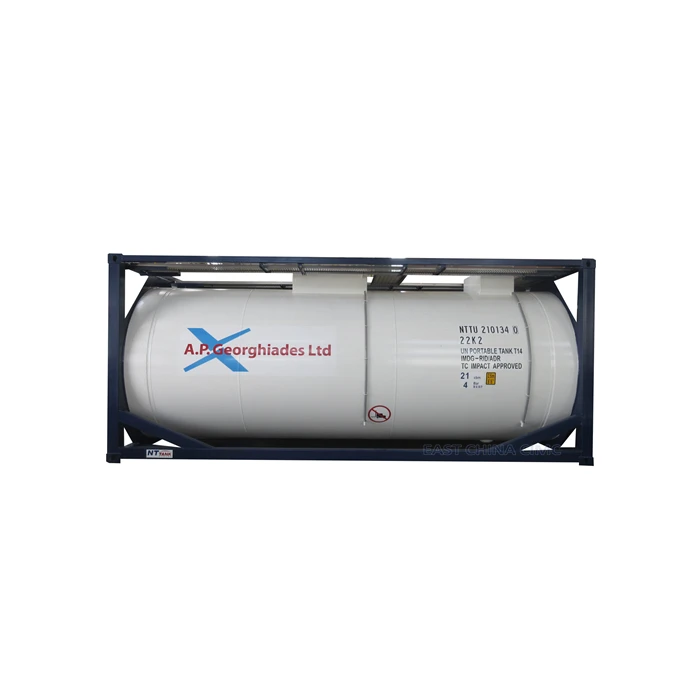
Check the suspension components, such as the shocks and springs, for any signs of damage. If a shock absorber is leaking fluid, it needs to be replaced. Springs can also break or become worn out over time. If you suspect a problem with the springs, have them inspected by a professional.
The tires also need to be checked regularly. Make sure the tire pressure is correct. Under - inflated or over - inflated tires can cause uneven wear and handling problems. Use a tire pressure gauge to check the pressure and add or release air as needed.
Inspect the tires for any signs of damage, such as cuts, bulges, or excessive wear. If you find a damaged tire, it needs to be replaced immediately. You don't want to take any chances with a damaged tire, especially when you're hauling a heavy tanker.
Pump and Flow Issues
If you're having problems with the pump or the flow of the liquid in the tanker, it can slow down your operations.
First, check the pump for any signs of damage or blockages. If the pump is making strange noises or not working at all, it could be due to a clogged impeller. You can try to clean the impeller by removing it and soaking it in a cleaning solution.
Check the hoses and pipes for any blockages. Sometimes, debris can get into the hoses and cause a blockage. You can use a hose cleaner or a pressure washer to clear the blockage.
If the flow rate is too low, it could be because the pump isn't powerful enough for the job. You may need to upgrade to a more powerful pump.
Conclusion
Troubleshooting problems with a tanker trailer can be a complex process, but by following these steps, you can identify and fix many common issues. Remember, safety should always be your top priority. If you're unsure about how to fix a problem or if it's a serious issue, don't hesitate to call in a professional.
If you're in the market for a new tanker trailer or need parts and accessories for your existing one, we're here to help. Whether you need a LNG Tank Trailer for transporting liquefied natural gas or a Fuel Tank Semi Trailer for fuel delivery, we've got you covered. Reach out to us for more information and let's start a procurement discussion.
References
- "Tanker Trailer Maintenance Handbook"
- "Heavy - Duty Vehicle Troubleshooting Guide"
- Industry knowledge and experience from years of supplying tanker trailers.