

As a supplier of Bulk Flour Tankers, optimizing the route for these specialized vehicles is crucial for enhancing efficiency, reducing costs, and ensuring timely deliveries. In this blog, I will share some effective strategies and considerations for optimizing the routes of bulk flour tankers.
Understanding the Nature of Bulk Flour Transportation
Before delving into route optimization, it's essential to understand the unique characteristics of bulk flour transportation. Flour is a delicate and perishable product that requires careful handling and storage. Factors such as temperature, humidity, and vibration can affect the quality of the flour during transit. Therefore, the route should be planned to minimize exposure to adverse conditions and ensure the integrity of the product.
Bulk flour tankers are large and heavy vehicles that have specific operational requirements. They need adequate space for loading and unloading, and their size and weight may restrict them from using certain roads or bridges. Additionally, the tankers may have limited maneuverability, which should be taken into account when planning the route.
Gathering Relevant Data
The first step in route optimization is to gather relevant data about the transportation process. This includes information about the origin and destination of the flour, the quantity to be transported, the available tanker capacity, and the delivery schedule. Additionally, data on road conditions, traffic patterns, and weather forecasts can help in identifying potential obstacles and choosing the most efficient route.
Historical delivery data can also be valuable in route optimization. By analyzing past routes, delivery times, and any issues encountered, patterns can be identified that can inform future route planning. For example, if a particular stretch of road consistently experiences heavy traffic during certain hours, it may be advisable to avoid it.
Utilizing Route Optimization Software
In today's digital age, there are numerous route optimization software tools available that can significantly simplify the process of planning the most efficient routes for bulk flour tankers. These tools use algorithms to analyze the data collected and generate optimized routes based on various criteria, such as distance, travel time, and fuel consumption.

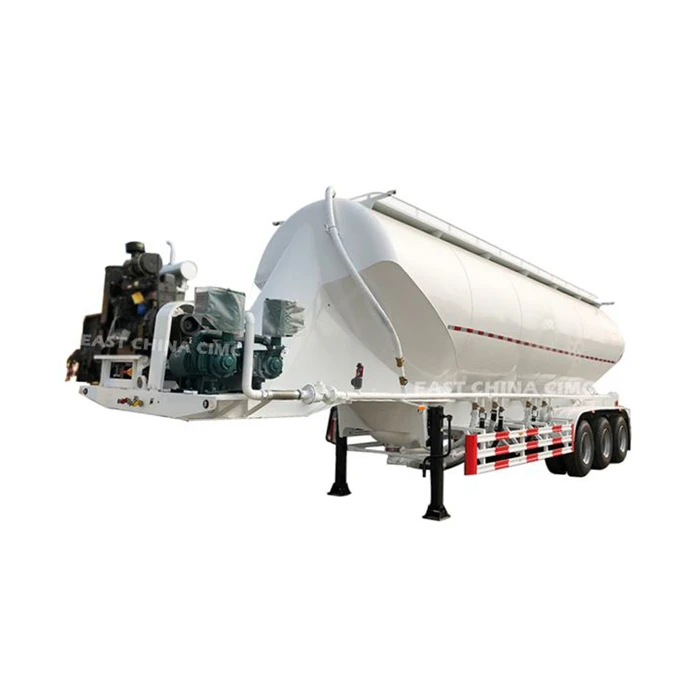
Some route optimization software also takes into account real-time traffic information, allowing for dynamic route adjustments in case of unexpected delays or road closures. This can help ensure that the tankers reach their destinations on time, even in challenging traffic conditions.
Considering Safety and Compliance
Safety should always be a top priority when optimizing routes for bulk flour tankers. The routes chosen should be safe for the drivers and the cargo, taking into account factors such as road conditions, visibility, and the presence of hazards. Additionally, compliance with local traffic laws and regulations is essential to avoid fines and legal issues.
Some areas may have specific restrictions on the movement of large vehicles, such as weight limits or designated truck routes. It's important to be aware of these restrictions and plan the route accordingly. For example, if a bridge has a weight limit that the tanker exceeds, an alternative route must be found.
Minimizing Fuel Consumption
Fuel consumption is a significant cost factor in bulk flour transportation. By optimizing the route, it's possible to reduce the distance traveled and the time spent on the road, thereby minimizing fuel consumption. This not only saves money but also reduces the environmental impact of the transportation process.
One way to minimize fuel consumption is to choose routes with less traffic congestion. Stop-and-go traffic can significantly increase fuel consumption, so avoiding busy urban areas or peak traffic hours can be beneficial. Additionally, routes with fewer hills and curves can also help reduce fuel usage, as the tanker will require less energy to maintain speed.
Factoring in Loading and Unloading Points
The location and accessibility of the loading and unloading points are important considerations in route optimization. The routes should be planned to ensure that the tankers can easily access these points without causing disruptions or delays.
Loading and unloading may require specific equipment and facilities, such as grain elevators or silos. The route should allow for sufficient time and space for these operations to be carried out safely and efficiently. Additionally, the proximity of the loading and unloading points to major roads can also affect the overall efficiency of the transportation process.
Collaborating with Stakeholders
Route optimization is not a one-person task. It requires collaboration with various stakeholders, including drivers, customers, and suppliers. Drivers can provide valuable insights into road conditions and potential issues that may not be apparent from the data. Customers can share their delivery requirements and preferences, which can help in tailoring the route to meet their needs.
Suppliers can also play a role in route optimization by providing accurate information about the availability of the flour and the loading schedule. By working together, all stakeholders can contribute to the development of more efficient and effective routes for bulk flour tankers.
Exploring Alternative Routes
In some cases, the most obvious route may not be the most efficient. It's important to explore alternative routes that may offer advantages in terms of distance, travel time, or traffic conditions. This can involve using secondary roads or bypasses that may be less congested but still provide a viable connection between the origin and destination.
However, when considering alternative routes, it's important to ensure that they are suitable for the size and weight of the bulk flour tankers. Some secondary roads may have narrow lanes, low bridges, or other restrictions that could make them unsuitable for large vehicles.
Monitoring and Evaluating Route Performance
Once the routes have been optimized and implemented, it's important to monitor and evaluate their performance. This can be done by tracking key performance indicators, such as delivery times, fuel consumption, and customer satisfaction. By regularly reviewing these metrics, any issues or areas for improvement can be identified.
If a particular route is consistently underperforming, adjustments can be made to the route plan. This may involve changing the route, adjusting the departure time, or addressing any operational issues that are causing delays or inefficiencies.
Conclusion
Optimizing the route for bulk flour tankers is a complex but essential process that can have a significant impact on the efficiency and profitability of the transportation operation. By understanding the unique characteristics of bulk flour transportation, gathering relevant data, utilizing route optimization software, and considering safety, compliance, and fuel consumption, more efficient routes can be planned.
Collaboration with stakeholders, exploration of alternative routes, and continuous monitoring and evaluation of route performance are also important aspects of the optimization process. By implementing these strategies, bulk flour tanker suppliers can ensure that their products are delivered safely, on time, and at a reasonable cost.
If you are interested in our Flour Tankers or need assistance with route optimization for your bulk flour transportation needs, we encourage you to contact us for further discussion and potential procurement. Our V Type Powder Tank Trailer and CIMC 60cbm Aluminum Flour Tank Trailer are designed to meet the highest standards of quality and performance, and we are committed to providing you with the best solutions for your business.
References
- Transportation Research Board. (Year). Highway Capacity Manual.
- Federal Motor Carrier Safety Administration. (Year). Regulations for Commercial Motor Vehicles.
- Various industry reports and studies on bulk flour transportation and route optimization.