

Hey there! As a supplier of Bulk Cement Tankers, I've seen firsthand the challenges that come with preventing dust emissions during the loading and unloading process. Dust emissions not only pose environmental risks but can also lead to health issues for workers and nearby communities. In this blog, I'll share some practical tips and strategies to help you minimize dust emissions when dealing with bulk cement tankers.

Understanding the Problem
Before we dive into the solutions, let's take a quick look at why dust emissions occur during the loading and unloading of bulk cement tankers. Cement is a fine powder, and when it's moved around, it can easily become airborne. During loading, the force of the cement being pumped into the tanker can cause dust to escape. Similarly, when unloading, the pressure changes and the movement of the cement can also lead to dust being released into the air.
Pre - Loading Preparations
One of the first steps in preventing dust emissions is proper pre - loading preparations. Make sure that the tanker is in good condition. Check for any cracks or holes in the tank, pipes, and valves. A damaged tanker can allow dust to leak out during the loading process.
Inspect the loading equipment as well. The hoses, connectors, and pumps should be in working order. A loose connection or a malfunctioning pump can cause cement to spill or create excessive dust.
It's also a good idea to have a dust collection system in place near the loading area. This can be as simple as a vacuum system that sucks up any dust that might be released during the initial stages of loading.
Loading Process
During the loading process, there are several things you can do to minimize dust emissions. First, use a loading spout that is designed to reduce dust. These spouts are often equipped with features like flexible seals that fit tightly around the tanker opening, preventing dust from escaping.
Control the loading speed. Loading the cement too quickly can create a lot of dust. A slower, more controlled loading rate allows the cement to settle in the tanker without creating a large amount of airborne dust.
Another important aspect is to keep the area around the loading point clean. Sweep up any spilled cement regularly. This not only reduces the amount of dust that can become airborne but also helps to maintain a safe working environment.
Unloading Process
When it comes to unloading, similar principles apply. Check the unloading equipment before starting. Make sure the discharge valves, hoses, and connectors are all secure.
Use a dust - suppression system at the unloading site. For example, you can use water sprays. Spraying a fine mist of water over the area where the cement is being unloaded can help to weigh down the dust particles and prevent them from becoming airborne.
Just like during loading, control the unloading speed. A slow and steady unloading process reduces the chances of creating a dust cloud.
If possible, connect the tanker directly to the storage silo or the destination container. This reduces the distance the cement has to travel and minimizes the opportunities for dust to escape.
Post - Unloading Checks
After unloading is complete, don't forget the post - unloading checks. Inspect the tanker again for any signs of cement residue. If there is any cement left on the outside of the tanker, clean it off. This prevents the cement from drying and becoming a source of dust later on.
Empty the dust collection system if you used one during the loading and unloading processes. This ensures that the system is ready for the next use.
Using the Right Equipment
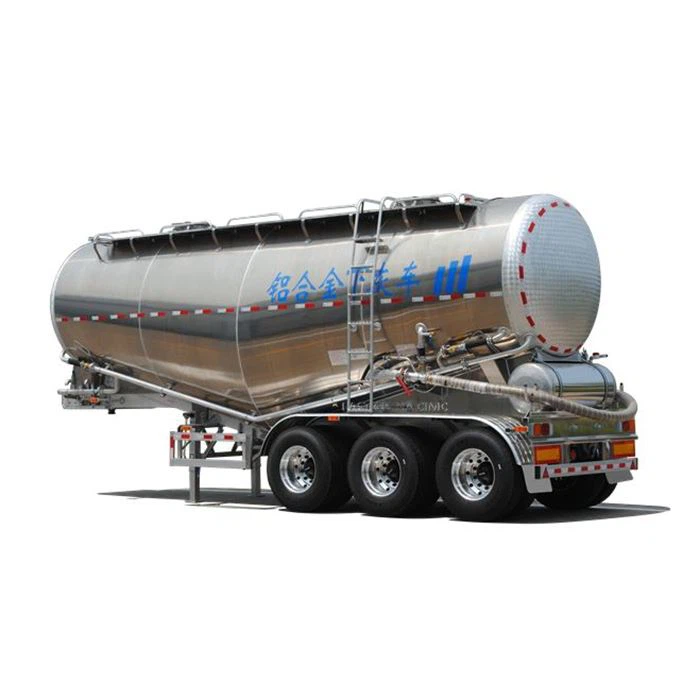
Investing in high - quality equipment can make a big difference in preventing dust emissions. For example, modern bulk cement tankers are often designed with advanced features to reduce dust. The EAST CHINA CIMC Concrete Mixer Tank Trailer is a great option. It has a well - sealed design and is built to minimize dust leakage during both loading and unloading.
The 30tons Cement Semi Trailer is another reliable choice. It's designed to handle large volumes of cement efficiently while keeping dust emissions to a minimum.
If you're looking for a lightweight and durable option, the Aluminum Cement Tank Trailer is worth considering. Aluminum trailers are not only strong but also have a smooth surface that reduces the chances of cement sticking and creating dust.
Training and Education
Don't underestimate the power of training and education. Make sure that your workers are well - trained in proper loading and unloading procedures. They should know how to operate the equipment correctly, how to identify potential dust - emission points, and what to do in case of a dust - related incident.
Provide regular safety and environmental training sessions. These sessions can cover topics like dust control best practices, the importance of preventing dust emissions, and the proper use of personal protective equipment (PPE).
Personal Protective Equipment (PPE)
Even with all the preventive measures in place, it's still important for workers to wear appropriate PPE. Respirators, goggles, and coveralls can protect workers from inhaling or coming into contact with cement dust.
Respirators should be properly fitted and maintained. Make sure that workers know how to use them correctly and replace the filters regularly.
Conclusion
Preventing dust emissions during the loading and unloading of bulk cement tankers is a multi - faceted process. It involves proper pre - loading and post - unloading preparations, careful control of the loading and unloading processes, using the right equipment, and providing training to your workers.
If you're in the market for a high - quality bulk cement tanker that can help you reduce dust emissions, we're here to help. We offer a wide range of tankers that are designed with dust - prevention in mind. Whether you need a large - capacity tanker or a lightweight aluminum option, we've got you covered.
Contact us to start a procurement discussion. We'll work with you to find the best solution for your needs and ensure that you can transport cement in an environmentally friendly and safe way.
References
- "Cement Handling and Storage Guidelines" - Industry Standards Handbook
- "Best Practices for Dust Control in Bulk Material Handling" - Environmental Protection Agency Publication
- "Safety in Bulk Cement Transportation" - Occupational Safety and Health Administration Resources