

Weather is a powerful force that can significantly influence various industries, and the operation of cement tankers is no exception. As a supplier of cement tankers, I have witnessed firsthand how different weather conditions can pose challenges and opportunities in the transportation of cement. In this blog, I will explore the ways in which weather affects the operation of a cement tanker and discuss strategies to mitigate its impact.

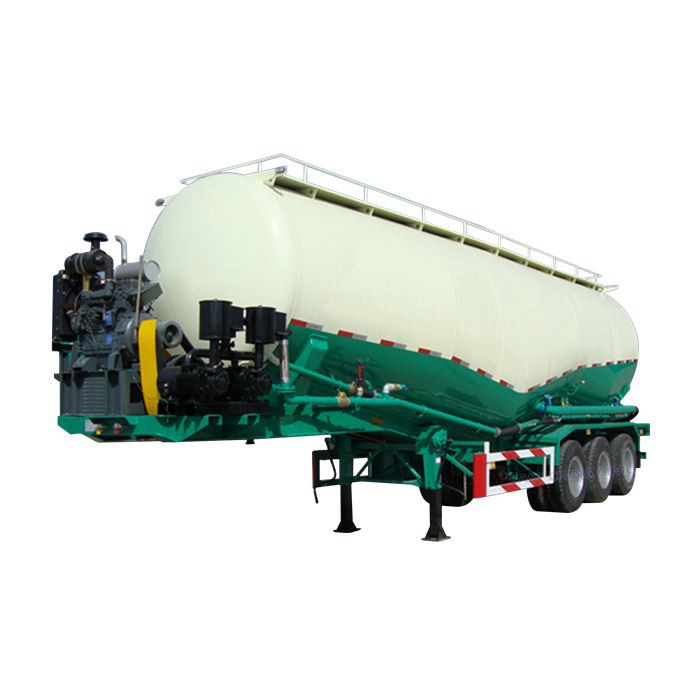
Hot Weather
Hot weather can have several effects on the operation of a cement tanker. Firstly, high temperatures can cause the cement inside the tanker to heat up. Cement is a hygroscopic material, which means it absorbs moisture from the air. When the temperature rises, the rate of moisture absorption increases, leading to a higher risk of the cement caking or hardening inside the tanker. This can clog the discharge pipes and valves, making it difficult to unload the cement at the destination.
To prevent caking, it is essential to keep the cement tanker well - insulated. Insulation helps to reduce the heat transfer from the outside environment to the cement inside the tanker. Additionally, some cement tankers are equipped with cooling systems that can maintain the temperature of the cement within an acceptable range. Regular maintenance of the tanker's insulation and cooling systems is crucial to ensure their effectiveness in hot weather.
Another issue in hot weather is the expansion of the tanker's components. The metal structure of the cement tanker expands when exposed to high temperatures. This can put stress on the joints, seals, and other parts of the tanker, potentially leading to leaks or structural damage. Regular inspections of the tanker's structure and seals during hot weather are necessary to detect and address any potential problems early.
Cold Weather
Cold weather presents a different set of challenges for cement tanker operations. One of the most significant issues is the freezing of the cement. When the temperature drops below freezing, the water in the cement can freeze, causing the cement to solidify. This not only makes it impossible to unload the cement but can also damage the tanker's internal components.
To prevent freezing, cement tankers are often equipped with heating systems. These systems can be either electric or fuel - powered and are designed to keep the cement at a temperature above freezing. However, heating systems require a reliable power source, and in cold weather, the performance of batteries and fuel systems can be affected. Therefore, it is important to ensure that the heating system is in good working condition and that there is an adequate supply of fuel or power.
Cold weather can also make the tanker's exterior surfaces slippery. Ice and snow can accumulate on the tanker, increasing the risk of accidents during loading, unloading, and transportation. Drivers need to take extra precautions, such as using anti - slip footwear and ensuring that the tanker's access points are clear of ice and snow.
Rain and Humidity
Rain and high humidity can have a detrimental effect on the quality of the cement being transported. As mentioned earlier, cement is hygroscopic, and exposure to moisture can cause it to start the hydration process prematurely. This can lead to a loss of the cement's strength and workability, making it unsuitable for construction purposes.
To protect the cement from rain and humidity, cement tankers are designed with sealed compartments. However, over time, the seals can wear out, allowing moisture to enter the tanker. Regular inspections and replacement of seals are necessary to maintain the integrity of the tanker's compartments.
During rainy weather, it is also important to ensure that the loading and unloading areas are dry. Any water on the ground can splash onto the tanker or contaminate the cement during the transfer process. If possible, loading and unloading should be scheduled during dry periods or in covered areas.
Windy Conditions
Windy conditions can affect the stability of the cement tanker during transportation. A large and heavy cement tanker is more susceptible to the effects of strong winds, especially when it is on highways or open roads. High winds can push the tanker off course, increasing the risk of accidents.
Drivers need to be extra cautious when driving in windy conditions. They should reduce their speed and maintain a safe distance from other vehicles. Additionally, the tanker's load distribution can affect its stability in windy conditions. Ensuring that the cement is evenly distributed inside the tanker can help to improve its stability.
Mitigating the Impact of Weather
To minimize the impact of weather on cement tanker operations, it is important to have a comprehensive weather monitoring and planning system. By keeping track of weather forecasts, operators can plan their routes and schedules to avoid adverse weather conditions whenever possible. For example, if a storm is expected, it may be better to delay the transportation of cement until the weather improves.
Regular maintenance of the cement tanker is also essential. This includes checking the insulation, heating and cooling systems, seals, and structural integrity of the tanker. By ensuring that the tanker is in good condition, it is better equipped to handle the challenges posed by different weather conditions.
Investing in high - quality cement tankers can also make a significant difference. For example, Dump Flatbed Trailer and Cement Powder Trailer are designed with advanced features to withstand various weather conditions. The CIMC 30cbm Aluminum Bulk Cement Trailer is another excellent option, known for its durability and performance in different weather environments.
Conclusion
Weather has a profound impact on the operation of cement tankers. From hot and cold temperatures to rain, humidity, and windy conditions, each type of weather presents unique challenges. However, by understanding these challenges and implementing appropriate strategies, such as weather monitoring, regular maintenance, and the use of high - quality tankers, it is possible to minimize the impact of weather on cement tanker operations.
If you are in the market for a reliable cement tanker that can withstand various weather conditions, I encourage you to reach out to us. We are committed to providing high - quality cement tankers and excellent customer service. Contact us today to discuss your specific needs and explore the best options for your cement transportation requirements.
References
- ASTM International. (2019). Standard Specification for Portland Cement. ASTM C150/C150M - 19.
- Transport Canada. (2020). Safety Code 13: Transportation of Dangerous Goods by Road and Rail.
- American Trucking Associations. (2021). Weather - Related Trucking Safety Guide.