

Hey everyone! I'm in the business of supplying low loaders, and one question I get asked a ton is, "How often should a low loader be serviced?" Well, let's dive right into it.
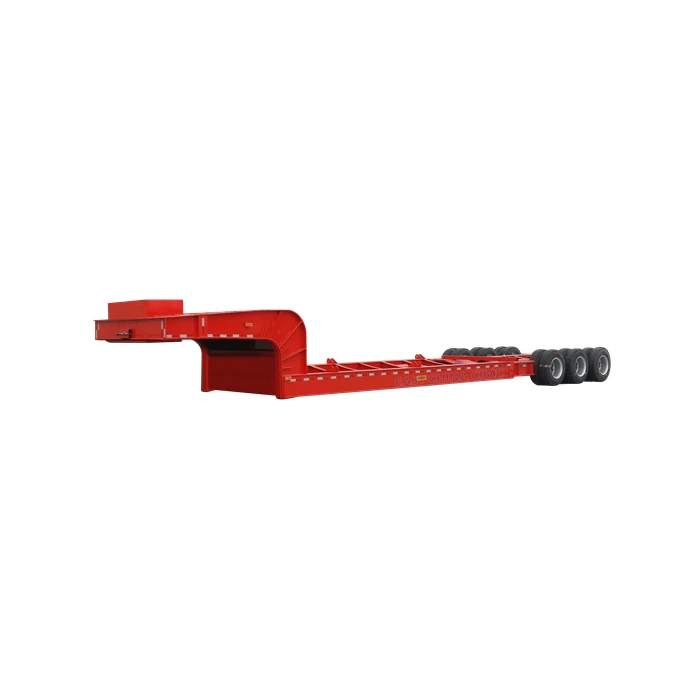
First off, what's a low loader anyway? For those who aren't in the know, a low loader is a type of trailer designed to transport heavy and oversized loads. They're pretty awesome pieces of machinery, but like any vehicle, they need regular TLC to keep them running smoothly.
Now, the frequency of servicing a low loader depends on a bunch of factors. One of the most important ones is how often you use it. If you're using your low loader every day, then you're going to need to service it more often than someone who only uses it a few times a month.
Think about it like your car. If you drive it to work every day, you're going to need an oil change and other maintenance more frequently than if you only take it out on weekends. The same goes for low loaders. The more you use them, the more wear and tear they experience.
Another factor is the type of loads you're carrying. If you're hauling really heavy or oversized loads on a regular basis, your low loader is going to be under more stress. For example, if you're transporting large construction equipment or industrial machinery, the axles, suspension, and brakes are going to take a beating. This means you'll need to service your low loader more often to ensure everything is in top-notch condition.

The environment in which you operate your low loader also plays a big role. If you're working in harsh conditions, like dusty construction sites or areas with a lot of moisture, it can speed up the deterioration of your low loader. Dust can get into the engine and other components, while moisture can cause rust and corrosion. In these cases, you'll want to increase the frequency of your servicing.
So, with all these factors in mind, let's talk about some general guidelines. As a rule of thumb, I'd recommend getting your low loader serviced at least once every six months if it's used moderately. This includes a thorough inspection of the engine, brakes, suspension, axles, and all the other important parts.
During a service, a professional mechanic will check for any signs of wear and tear, replace any worn-out parts, and make sure everything is functioning properly. They'll also check the fluid levels, such as the oil, coolant, and hydraulic fluid, and top them up if necessary.
If your low loader is used more frequently, say on a daily basis, then you might want to consider servicing it every three months. This more frequent servicing will help catch any potential problems early on and prevent them from turning into major issues.
On the other hand, if you only use your low loader occasionally, like a few times a year, you can probably get away with an annual service. But even then, it's still a good idea to give it a quick once-over before and after each use to make sure everything looks okay.
Now, let's talk about some specific components of a low loader and how often they might need attention.
The brakes are one of the most critical parts of any vehicle, and low loaders are no exception. You should have your brakes inspected every three months, regardless of how often you use your low loader. The brake pads and rotors can wear down over time, and if they're not replaced when needed, it can lead to serious safety issues.
The tires are another important component. You should check the tire pressure regularly, at least once a week. And every six months, have the tires rotated and balanced. This helps ensure even wear and extends the life of the tires.
The engine is the heart of your low loader, and it needs regular maintenance. You should change the oil and oil filter every 5,000 to 7,000 miles, or as recommended by the manufacturer. You'll also want to have the air filter replaced every 10,000 to 15,000 miles to keep the engine running efficiently.
The suspension system is what keeps your low loader stable and comfortable to drive. It should be inspected every six months for any signs of damage or wear. The shocks and springs can wear out over time, and if they're not replaced, it can affect the handling and safety of your low loader.
At our company, we offer a range of high-quality low loaders, like the Windhill Tower Transport Trailer, the CIMC 18 Multi-Axles|300Tons Low Bed Truck Trailer, and the Modular Low Bed Trailer. These trailers are built to last, but they still need proper maintenance to perform at their best.
If you're in the market for a new low loader or need advice on servicing your existing one, don't hesitate to reach out. We're here to help you make the right decisions and keep your low loader in great shape. Whether you're a small business owner or part of a large construction company, we've got the expertise and products to meet your needs.
In conclusion, the frequency of servicing a low loader depends on several factors, including usage, load type, and operating environment. By following the general guidelines I've outlined and paying attention to the specific components, you can keep your low loader running safely and efficiently for years to come.
If you have any questions or want to learn more about our low loaders, feel free to get in touch. We're always happy to chat and help you find the perfect solution for your hauling needs.
References
- General knowledge from the transportation and heavy equipment industry.
- Manufacturer's guidelines for low loader maintenance.