

As a supplier of Fuel Tanker Trailers, I understand the importance of proper cleaning for these essential pieces of equipment. A well - maintained fuel tanker trailer not only ensures the quality of the fuel it transports but also extends the lifespan of the trailer itself. In this blog, I'll share some detailed steps and tips on how to clean a fuel tanker trailer.
Pre - cleaning Preparations
Before starting the cleaning process, it's crucial to take a series of preparatory steps to ensure safety and efficiency. First, make sure the trailer is parked in a well - ventilated area. Fuel residues can release harmful vapors, and proper ventilation helps to disperse these vapors, reducing the risk of inhalation.
Next, gather all the necessary cleaning tools and materials. You'll need a high - pressure water hose, cleaning agents specifically designed for fuel tankers, a long - handled brush, and personal protective equipment such as gloves, goggles, and a respirator. The personal protective equipment is essential to protect you from chemical exposure and potential splashes.
Empty the tanker completely. This may seem obvious, but it's important to ensure that there is no residual fuel left in the tank. Any remaining fuel can react with the cleaning agents and cause dangerous situations. After emptying, drain the tank for a sufficient amount of time to remove all the liquid.
Initial Rinse
Once the tanker is empty and all preparations are made, start with an initial rinse. Connect the high - pressure water hose to a reliable water source. Use the high - pressure water to flush the interior of the tank. This step helps to remove large debris, such as dirt, rust particles, and any loose fuel residues. Start from the top of the tank and work your way down, making sure to cover all areas, including the corners and seams.

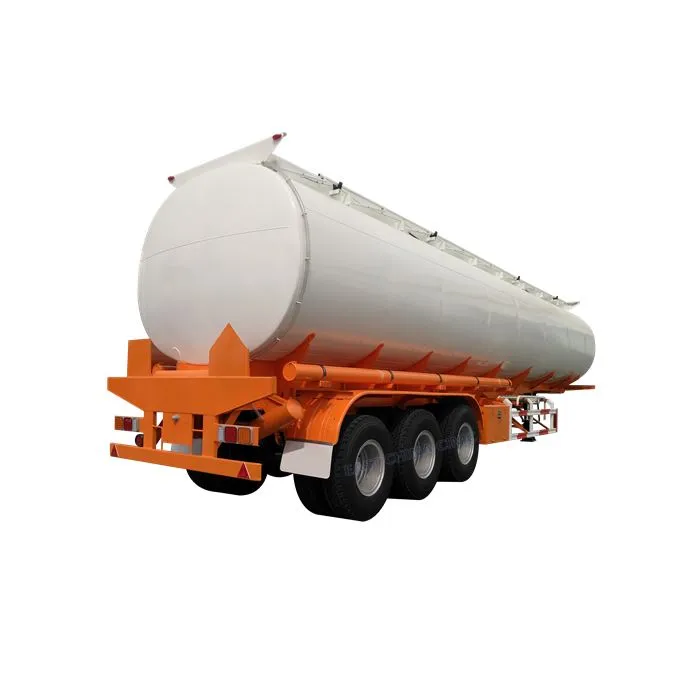
During the rinse, pay special attention to areas where sediment may accumulate. These areas are often at the bottom of the tank or in low - lying sections. Use the high - pressure water to dislodge and wash away the sediment. The initial rinse can significantly reduce the amount of contaminants in the tank and make the subsequent cleaning steps more effective.
Application of Cleaning Agents
After the initial rinse, it's time to apply the cleaning agents. There are various types of cleaning agents available on the market, and it's important to choose one that is suitable for fuel tanker trailers. Some cleaning agents are designed to break down oil and grease, while others are formulated to remove rust and scale.
Follow the manufacturer's instructions when diluting and applying the cleaning agent. Usually, you'll need to mix the cleaning agent with water in a specific ratio. Use a sprayer to evenly apply the cleaning agent to the interior of the tank. Make sure to cover all surfaces thoroughly. Let the cleaning agent sit for the recommended time to allow it to react with the contaminants.
Scrubbing
Once the cleaning agent has had enough time to work, it's time to scrub the interior of the tank. Use a long - handled brush to reach all areas of the tank. Scrub the walls, floor, and ceiling of the tank vigorously to remove stubborn dirt, grease, and rust. Pay close attention to areas with heavy contamination, such as the areas near the inlet and outlet valves.
The scrubbing process helps to dislodge any remaining contaminants that were not removed by the initial rinse and the cleaning agent. It's a labor - intensive step, but it's essential for a thorough clean. After scrubbing, use the high - pressure water hose again to rinse off the loosened contaminants and the cleaning agent.
Final Rinse
After scrubbing, a final rinse is necessary to ensure that all the cleaning agent and contaminants are removed from the tank. Use clean water to rinse the tank multiple times. Check the water runoff to make sure it is clear and free of any visible contaminants. If the water still appears dirty, continue rinsing until it runs clear.
The final rinse is crucial because any remaining cleaning agent can contaminate the next load of fuel. It also helps to prevent corrosion and damage to the tank caused by the chemical residues.
Drying
Once the final rinse is complete, it's time to dry the tank. A wet tank can promote the growth of bacteria and fungi, which can contaminate the fuel. There are several ways to dry the tank. One method is to use compressed air to blow out the remaining water. Another option is to let the tank air - dry in a well - ventilated area.
If you choose to use compressed air, make sure the air is clean and dry. Attach the air hose to a compressor and blow the air into the tank from different angles. Start from the top and work your way down to ensure that all areas are dried. If air - drying, open all the access points of the tank to allow air to circulate freely.
Exterior Cleaning
Don't forget about the exterior of the fuel tanker trailer. The exterior can accumulate dirt, grime, and road salt, which can cause corrosion over time. Use a mild detergent and a soft brush or sponge to clean the exterior. Pay attention to areas such as the wheels, axles, and frame.
Rinse the exterior thoroughly with clean water after cleaning. This helps to remove any soap residues and prevent streaking. After rinsing, dry the exterior with a clean cloth or allow it to air - dry.
Inspection
After the cleaning and drying process, conduct a thorough inspection of the fuel tanker trailer. Check the interior of the tank for any remaining contaminants, such as rust spots or dirt. Inspect the valves, fittings, and seals to make sure they are in good condition. Any damaged parts should be repaired or replaced immediately to ensure the safety and functionality of the trailer.
Check the exterior for any signs of damage, such as dents or scratches. These can compromise the integrity of the trailer and should be addressed promptly. A detailed inspection helps to identify any potential issues before the trailer is put back into service.
Choosing the Right Trailer
When it comes to fuel tanker trailers, there are different types available, such as Oil Tank Semi Trailers and ISO Tanks. Each type has its own advantages and is suitable for different applications. If you're interested in learning more about the differences between these two types and how to choose the right one for your needs, you can refer to this article: Oil Tank Semi Trailer VS ISO Tank, choose The Right Trailer For You.
Our company offers a wide range of Fuel Tanker Semi Trailers that are designed to meet high - quality standards. We also have the EAST CHINA CIMC Chemical Tanker Trailer, which is a great option for transporting chemicals safely and efficiently.
Contact for Purchase
If you're in the market for a fuel tanker trailer or need more information about our products and services, we encourage you to contact us. Our team of experts is ready to assist you with all your inquiries and help you find the perfect trailer for your business. We offer competitive prices, high - quality products, and excellent after - sales service.
References
- "Tanker Truck and Trailer Maintenance Guide" - Industry - specific handbook on tanker maintenance.
- "Fuel Tank Cleaning Best Practices" - White paper on fuel tank cleaning procedures.