

Hey there! As a supplier of Fuel Tanker Trailers, I know how crucial it is to ensure the safety of these vehicles. After all, they carry highly flammable substances, and any mishap can lead to disastrous consequences. In this blog, I'll share some key steps on how to test the safety of a fuel tanker trailer.
1. Visual Inspection
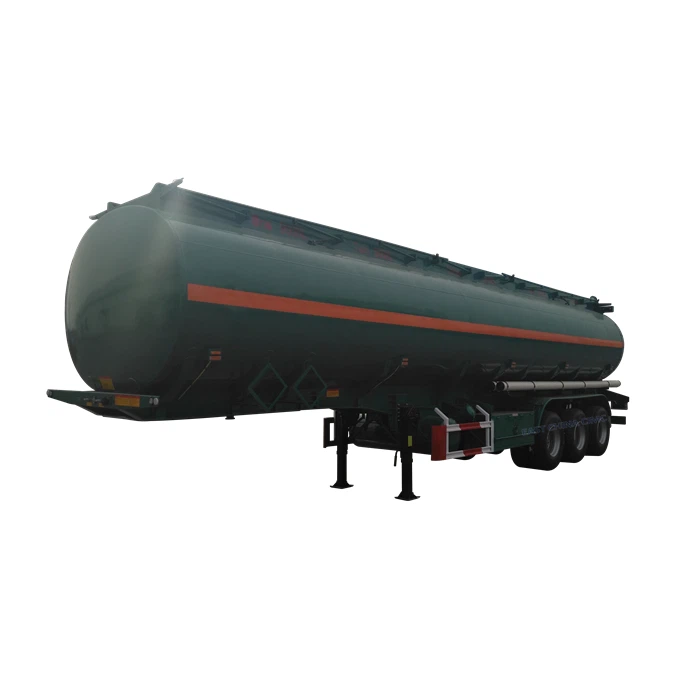
The first step in testing the safety of a fuel tanker trailer is a thorough visual inspection. You need to check every nook and cranny of the trailer to spot any obvious signs of damage or wear. Start with the exterior. Look for dents, scratches, or rust on the tank body. These could weaken the structure and potentially lead to leaks.
Check the valves and fittings as well. Make sure they're tightly sealed and show no signs of corrosion. A loose valve can cause fuel to leak, which is a major safety hazard. Also, examine the tires. Look for uneven wear, cuts, or low tire pressure. Faulty tires can lead to blowouts, which can be extremely dangerous, especially when the trailer is carrying a large amount of fuel.
2. Pressure Testing
Once the visual inspection is done, it's time for pressure testing. This is a critical step as it helps to ensure that the tank can withstand the pressure of the fuel it's carrying. There are different methods for pressure testing, but one of the most common is the hydrostatic test.
In a hydrostatic test, the tank is filled with water and then pressurized to a specific level. The pressure is maintained for a certain period, usually around 30 minutes. During this time, technicians carefully monitor the tank for any signs of leaks or deformation. If there are any issues, it means the tank may not be safe to use and needs to be repaired or replaced.
Another type of pressure testing is the pneumatic test. Instead of water, this test uses air or an inert gas to pressurize the tank. However, pneumatic tests are generally considered more dangerous than hydrostatic tests because of the potential for a sudden release of energy if there's a failure. So, they need to be conducted with extra caution.
3. Leak Detection
Even if the pressure test shows that the tank can withstand the pressure, it's still important to check for leaks. There are several ways to detect leaks in a fuel tanker trailer. One simple method is the soap bubble test. You apply a soapy solution to the joints, valves, and other potential leak points. If there's a leak, the pressure of the escaping gas or liquid will cause bubbles to form, making it easy to spot the problem.

For more accurate leak detection, you can use electronic leak detectors. These devices can detect even the smallest leaks by sensing the presence of fuel vapors. They're especially useful for detecting leaks in hard-to-reach areas or when the leak is very small.
4. Structural Integrity Testing
In addition to pressure and leak testing, it's also important to test the structural integrity of the trailer. This involves checking the frame, suspension, and other components to make sure they're in good condition. You can use non-destructive testing methods, such as ultrasonic testing or magnetic particle testing, to detect any hidden cracks or flaws in the metal.
Ultrasonic testing uses high-frequency sound waves to detect internal defects in the material. Magnetic particle testing, on the other hand, is used to detect surface and near-surface defects in ferromagnetic materials. By using these methods, you can identify potential problems before they become serious and ensure the safety of the trailer.
5. Electrical System Testing
The electrical system of a fuel tanker trailer is also an important part of its safety. Faulty electrical systems can cause sparks, which can ignite the fuel vapors and lead to a fire or explosion. So, it's crucial to test the electrical system regularly.
Start by checking the wiring for any signs of damage or wear. Look for frayed wires, loose connections, or corrosion. Make sure all the electrical components, such as lights, sensors, and alarms, are working properly. You can use a multimeter to test the voltage and continuity of the electrical circuits.
6. Emergency Equipment Check
Finally, don't forget to check the emergency equipment on the trailer. This includes fire extinguishers, emergency shut-off valves, and spill containment equipment. Make sure the fire extinguishers are in good condition and have the appropriate rating for fighting fuel fires. Check the emergency shut-off valves to ensure they can be easily accessed and operated in case of an emergency.
The spill containment equipment, such as absorbent pads and booms, should also be in good supply and in working order. In the event of a leak, these items can help to contain the spill and prevent it from spreading, reducing the risk of environmental damage and fire.
As a supplier of Fuel Oil Tank Trailer and Fuel Oil Tanker Trailer, we take safety very seriously. Our CIMC Fuel Tanker Trailer is designed and manufactured to the highest safety standards. We conduct rigorous testing on all our trailers to ensure they meet or exceed the requirements of relevant regulations.
If you're in the market for a fuel tanker trailer, we'd love to hear from you. Our team of experts can provide you with all the information you need and help you choose the right trailer for your needs. Contact us today to start the procurement process and discuss your requirements.
References
- American Petroleum Institute (API). API Recommended Practice 653, Tank Inspection, Repair, Alteration, and Reconstruction.
- National Fire Protection Association (NFPA). NFPA 30, Flammable and Combustible Liquids Code.
- Department of Transportation (DOT). Federal Motor Carrier Safety Regulations (FMCSR).