

As a seasoned supplier of flour trailers, I've witnessed firsthand the transformative impact that integrating a weighing system can have on the flour transportation industry. In this blog, I'll delve into the numerous benefits of having a weighing system in a flour trailer, highlighting how it can enhance efficiency, accuracy, and profitability for businesses involved in flour logistics.
Enhanced Efficiency
One of the primary advantages of a weighing system in a flour trailer is the significant boost in efficiency it provides. Traditional methods of measuring flour quantity, such as manual weighing or estimating based on volume, are time-consuming and prone to errors. With a weighing system installed in the trailer, the process of loading and unloading flour becomes streamlined and automated.
The weighing system can accurately measure the weight of the flour in real-time as it is being loaded or unloaded. This eliminates the need for manual calculations and reduces the time spent on each transaction. Drivers can quickly determine the exact amount of flour being transported, allowing for more efficient route planning and scheduling. Additionally, the system can be integrated with other logistics management software, enabling seamless data transfer and improved overall operational efficiency.
For example, if a flour trailer is equipped with a weighing system and is connected to a fleet management system, the driver can easily monitor the weight of the flour during transit. This information can be used to optimize the route, ensuring that the trailer is not overloaded and avoiding unnecessary stops for weigh-ins. As a result, the delivery process becomes faster and more efficient, leading to increased customer satisfaction and potentially higher profits for the business.
Improved Accuracy
Accuracy is crucial in the flour transportation industry, as even small discrepancies in weight can have significant financial implications. A weighing system in a flour trailer provides precise and reliable weight measurements, reducing the risk of overloading or underloading the trailer.
Overloading a flour trailer can lead to safety hazards, such as increased braking distances and reduced vehicle stability. It can also result in fines and penalties from regulatory authorities. On the other hand, underloading the trailer means that the business is not maximizing its carrying capacity, which can lead to higher transportation costs per unit of flour.
A weighing system eliminates these risks by providing accurate weight information. The system can be calibrated to ensure that the measurements are consistent and reliable, regardless of the type of flour being transported or the conditions of the road. This allows businesses to optimize their loading processes, ensuring that the trailer is loaded to its maximum capacity without exceeding the legal weight limits.
In addition to improving safety and reducing costs, accurate weight measurements also enhance the credibility of the business. Customers can trust that they are receiving the exact amount of flour they ordered, which can lead to increased customer loyalty and repeat business.
Cost Savings
Implementing a weighing system in a flour trailer can result in significant cost savings for businesses. By optimizing the loading process and ensuring that the trailer is loaded to its maximum capacity, businesses can reduce the number of trips required to transport the same amount of flour. This leads to lower fuel consumption, reduced maintenance costs, and increased productivity.
Furthermore, accurate weight measurements can help businesses avoid costly fines and penalties for overloading. These fines can be substantial, especially for repeat offenders, and can have a significant impact on the bottom line. By using a weighing system to ensure compliance with weight regulations, businesses can avoid these unnecessary expenses and improve their financial performance.
Another cost-saving benefit of a weighing system is the reduction in product waste. With accurate weight measurements, businesses can ensure that they are not overloading the trailer, which can lead to spillage and loss of product. Additionally, the system can be used to monitor the weight of the flour during transit, allowing for early detection of any leaks or other issues that could result in product loss. By minimizing product waste, businesses can save money on raw materials and improve their overall profitability.
Compliance with Regulations
The flour transportation industry is subject to strict regulations regarding weight limits and safety standards. Failure to comply with these regulations can result in fines, penalties, and even the suspension of the business's operating license. A weighing system in a flour trailer helps businesses ensure compliance with these regulations by providing accurate weight measurements.
The weighing system can be programmed to alert the driver or the fleet manager if the trailer is approaching or exceeding the legal weight limits. This allows for timely adjustments to be made, ensuring that the trailer remains within the legal limits at all times. Additionally, the system can generate detailed reports of the weight measurements, which can be used for record-keeping purposes and to demonstrate compliance with regulatory authorities.
By using a weighing system to ensure compliance with regulations, businesses can avoid the risk of costly fines and penalties. This not only protects the financial health of the business but also enhances its reputation and credibility in the industry.
Integration with Other Systems
A weighing system in a flour trailer can be easily integrated with other systems, such as inventory management systems, fleet management systems, and accounting systems. This integration allows for seamless data transfer and improved overall operational efficiency.
For example, the weighing system can be connected to an inventory management system, which can automatically update the inventory levels based on the weight of the flour being loaded or unloaded. This eliminates the need for manual data entry and reduces the risk of errors. Additionally, the system can be integrated with a fleet management system, which can provide real-time information about the location and status of the trailer, as well as the weight of the flour being transported. This information can be used to optimize the route, schedule maintenance, and improve overall fleet efficiency.
Furthermore, the weighing system can be connected to an accounting system, which can automatically generate invoices based on the weight of the flour being delivered. This eliminates the need for manual invoicing and reduces the risk of errors. The integration of the weighing system with other systems also allows for better visibility and control over the entire supply chain, leading to improved decision-making and increased profitability.

Conclusion
In conclusion, the benefits of having a weighing system in a flour trailer are numerous and significant. From enhanced efficiency and improved accuracy to cost savings and compliance with regulations, a weighing system can have a transformative impact on the flour transportation industry.
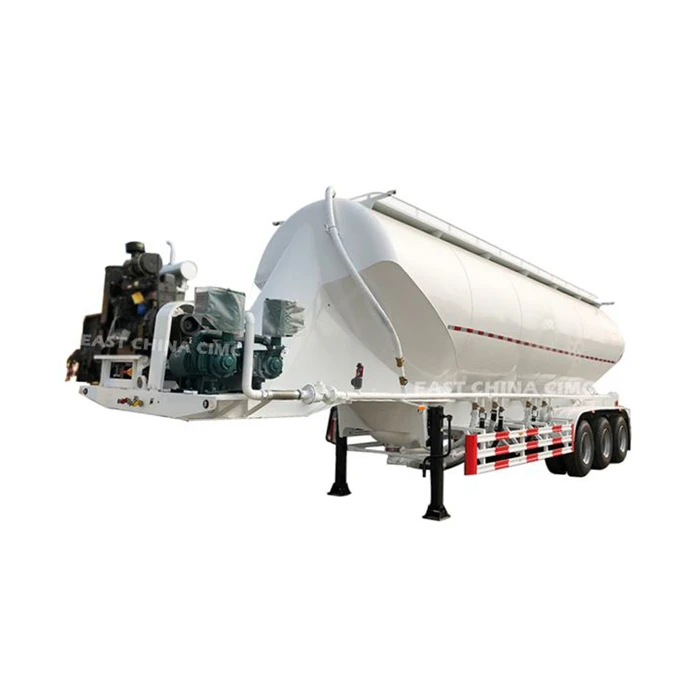
As a flour trailer supplier, I highly recommend that businesses consider investing in a weighing system for their trailers. At our company, we offer a range of high-quality flour trailers equipped with state-of-the-art weighing systems. Our CIMC 60cbm Aluminum Flour Tank Trailer, Rear Tipper Flour Trailer, and Bulk Flour Tankers are designed to meet the specific needs of the flour transportation industry, providing reliable and efficient solutions for businesses of all sizes.
If you're interested in learning more about our flour trailers or the benefits of having a weighing system, please don't hesitate to contact us. Our team of experts is ready to assist you in finding the perfect solution for your business.
References
- "The Importance of Weighing Systems in the Transportation Industry." Journal of Logistics and Supply Chain Management, Vol. 10, No. 2, 2022.
- "Optimizing Flour Transportation with Weighing Systems." International Journal of Food Logistics and Supply Chain Management, Vol. 15, No. 3, 2023.
- "Regulatory Compliance in the Flour Transportation Industry." Transportation Law Review, Vol. 25, No. 4, 2022.