

Hey there! As a supplier of tanker trailers, I've seen my fair share of concerns about what to do when things go wrong. Tanker trailer accidents can be pretty serious, and having a solid emergency response plan is super important. So, let's dig into the emergency response procedures for a tanker trailer accident.
Step 1: Ensure Personal Safety
First and foremost, safety comes before anything else. If you're involved in the accident or on the scene, get to a safe place right away. That means moving away from the tanker trailer and any potential hazards. Spilled chemicals, fuel, or other substances can be dangerous, so keep a safe distance.
If you're the driver of the tanker trailer, turn off the engine as soon as it's safe to do so. This can prevent further problems like fuel spills or electrical issues. And don't forget to put on any personal protective equipment (PPE) you have, like gloves and goggles.
Step 2: Call for Help
Once you're safe, call the emergency services. Dial 911 in the US or the local emergency number in other countries. Let them know exactly what happened, where it happened, and what kind of tanker trailer is involved. If you know what's inside the tanker, like if it's a Hydrochloric Acid ISO Container Tanker, a LNG Tank Trailer, or an Asphalt Tank Trailer, tell them that too. This info can help the emergency responders prepare the right equipment and take the right actions.
Step 3: Set Up Warning Signs
If it's safe to do so, set up warning signs around the accident site. This can help other drivers and people in the area know that there's a problem and to stay away. You can use things like road flares, reflective triangles, or cones. Make sure they're visible from a good distance so that people have enough time to react.
Step 4: Assess the Situation
While waiting for the emergency services to arrive, try to assess the situation as best you can. Look for any signs of leaks, fires, or other hazards. If there's a leak, try to figure out what's leaking and how bad it is. This info can be really helpful for the emergency responders when they get there.
But remember, don't get too close to the tanker or the leak. Some substances can be harmful just by being near them, so stay at a safe distance and use your eyes and nose to gather info. If you smell something strange or see a cloud of gas, assume it's dangerous and stay away.
Step 5: Evacuate the Area
If there's a risk of explosion, fire, or toxic gas release, evacuate the area immediately. Follow the instructions of the emergency responders or local authorities. Evacuate in an orderly manner and don't panic. Make sure to take any necessary personal items with you, like your phone and keys.

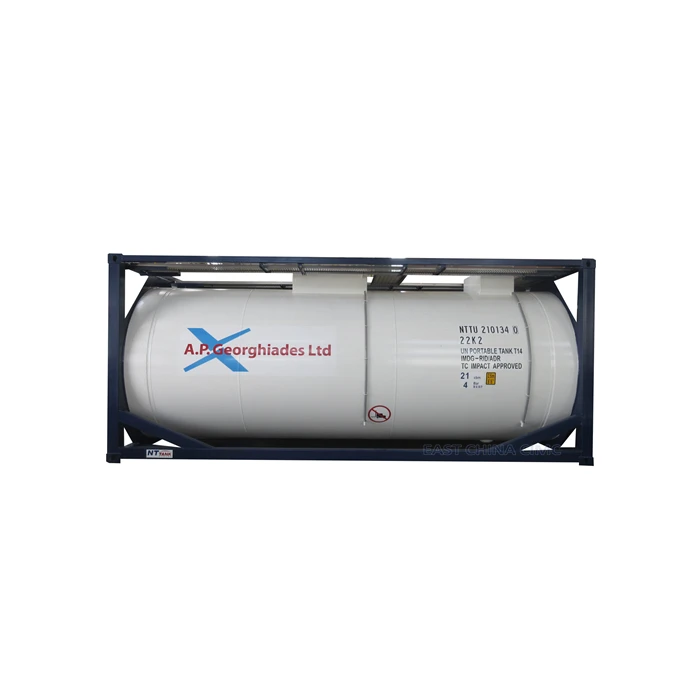
Step 6: Cooperate with Emergency Responders
When the emergency responders arrive, cooperate with them fully. They're trained to handle these kinds of situations, so follow their instructions. They may ask you questions about the accident, what was in the tanker, and what you've noticed. Answer their questions as accurately as you can.
The emergency responders will take over from here. They'll assess the situation, contain any leaks, put out any fires, and make sure the area is safe. They may also need to clean up the spill and dispose of any hazardous materials properly.
Step 7: Document the Incident
After the accident is over and the area is safe, document the incident. Take photos and videos of the accident site, the tanker trailer, and any damage. This can be helpful for insurance purposes and for future safety improvements.
Also, write down what happened, when it happened, and what you did. Include any details you remember, like the weather conditions, the time of day, and any other relevant info. This documentation can be used to analyze the accident and prevent similar accidents from happening in the future.
Step 8: Follow Up
Once the emergency response is complete, follow up with the relevant parties. This may include your insurance company, the tanker trailer manufacturer, and any regulatory agencies. Provide them with the documentation you collected and cooperate with their investigations.
You may also need to make repairs to the tanker trailer or replace it if it's too damaged. As a tanker trailer supplier, I can help you with that. We offer a wide range of tanker trailers, including Hydrochloric Acid ISO Container Tanker, LNG Tank Trailer, and Asphalt Tank Trailer. Our trailers are built to high standards and are designed to be safe and reliable.
If you're in the market for a new tanker trailer or need to replace an old one, don't hesitate to reach out. We can work with you to find the right trailer for your needs and budget. Just contact us, and we'll be happy to help you with the procurement process and answer any questions you may have.
In conclusion, having a good emergency response plan for tanker trailer accidents is crucial. By following these steps, you can help ensure the safety of everyone involved and minimize the damage caused by the accident. And if you need a new tanker trailer, we're here to help.
References
- Federal Emergency Management Agency (FEMA). (n.d.). Emergency Response Guidebook.
- Occupational Safety and Health Administration (OSHA). (n.d.). Hazardous Materials: Tanker Trucks.