

Regulations for the Labeling of Flour Tankers
As a flour tankers supplier, I've witnessed firsthand the importance of proper labeling on these specialized vehicles. Flour tankers are designed to transport large quantities of flour safely and efficiently, and accurate labeling plays a crucial role in ensuring compliance with regulations and maintaining the safety of the transportation process.
General Requirements for Labeling
The labeling of flour tankers is subject to a variety of regulations at both the national and international levels. These regulations are in place to provide essential information about the cargo, the vehicle, and safety procedures to those involved in the handling and transportation of the flour.
One of the primary requirements is to clearly indicate the type of cargo being transported. In the case of flour tankers, the label should state "Flour" prominently. This helps to prevent any confusion during loading, unloading, and transit. For example, if there are multiple tankers at a loading dock, clear labeling ensures that the correct tanker is filled with the appropriate product.
The label should also include information about the origin and destination of the cargo. This can be important for tracking purposes and for ensuring that the flour reaches its intended recipient. Additionally, details about the quantity of flour being transported are necessary. This information helps in inventory management and can be used to verify the amount of product loaded and unloaded.
Safety - Related Labeling
Safety is of utmost importance when it comes to transporting flour. Flour is a combustible material, and proper labeling can help prevent accidents. One key safety label is the indication of the flammable nature of the cargo. A warning sign stating that the tanker contains combustible flour should be clearly visible on the exterior of the vehicle.
In addition to the flammable warning, there should be labels indicating the appropriate safety procedures in case of an emergency. This might include instructions on how to extinguish a fire in the event that the flour ignites. For example, using a dry chemical fire extinguisher rather than water, as water can cause the flour to form a paste and spread the fire.
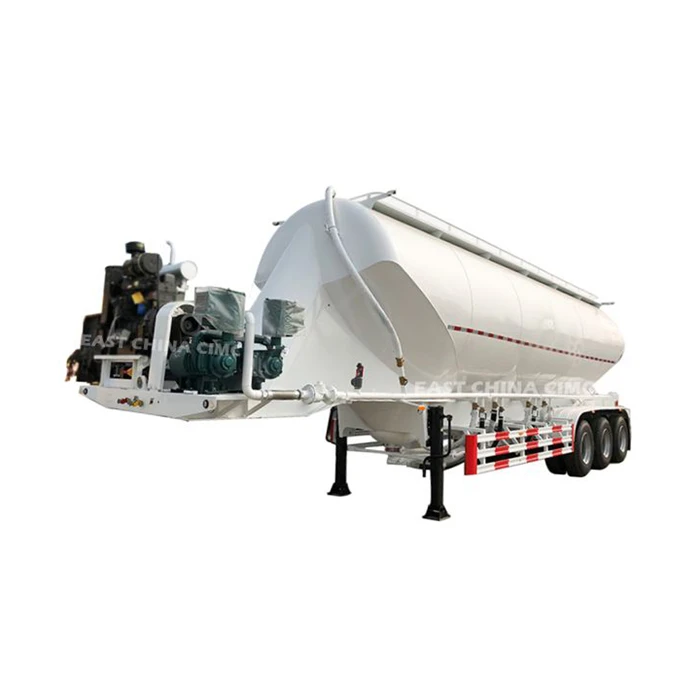

Labels should also provide information about the pressure and temperature limits of the tanker. Flour tankers operate under specific pressure and temperature conditions, and exceeding these limits can lead to structural damage or other safety hazards. By clearly labeling these limits, operators can ensure that the tanker is used within its safe operating parameters.
Regulatory Compliance
Different countries and regions may have specific regulations regarding the labeling of flour tankers. For instance, in the European Union, the ADR (Accord Dangereux Routier) regulations govern the transport of dangerous goods, including combustible materials like flour. These regulations specify the size, color, and content of labels to ensure uniformity and clarity across member states.
In the United States, the Department of Transportation (DOT) has its own set of rules for the labeling of tankers. These rules are designed to protect the public and the environment during the transportation of hazardous materials. Flour tankers must comply with these regulations to legally operate on US roads.
As a supplier, it's our responsibility to ensure that the flour tankers we provide are properly labeled according to the relevant regulations. We work closely with our customers to understand the specific requirements of the regions where their tankers will be operating and ensure that the labels are in full compliance.
Our Flour Tanker Offerings
We offer a range of high - quality flour tankers to meet the diverse needs of our customers. Our CIMC 60cbm Aluminum Flour Tank Trailer is a popular choice due to its large capacity and lightweight aluminum construction. This trailer is designed for efficient long - distance transportation of flour, and it comes with all the necessary labels in compliance with international regulations.
Another option is our V Type Powder Tank Trailer. The V - type design allows for better flow of the flour during unloading, reducing the time and effort required. It is also equipped with proper labeling to ensure safe and legal operation.
Our Dry Bulk Flour Transport Tank Trailer is suitable for a variety of applications. Whether it's transporting flour to local bakeries or large - scale food processing plants, this trailer provides reliable performance and is labeled in accordance with the highest safety and regulatory standards.
Conclusion
Proper labeling of flour tankers is not only a legal requirement but also a crucial aspect of ensuring the safety and efficiency of the flour transportation process. As a supplier, we are committed to providing our customers with tankers that are not only of high quality but also fully compliant with all relevant labeling regulations.
If you are in the market for a flour tanker, we invite you to contact us to discuss your specific requirements. Our team of experts is ready to assist you in finding the right tanker for your needs and ensuring that it meets all the necessary regulatory standards.
References
- European Union, ADR (Accord Dangereux Routier) regulations.
- United States Department of Transportation (DOT) regulations for hazardous materials transportation.