

Hey there! I'm a supplier of powder tankers, and I've seen firsthand how important it is for powder tanker drivers to follow traffic regulations. In this blog, I'll break down the key traffic rules that powder tanker drivers need to know.
Pre - Trip Inspections
Before hitting the road, powder tanker drivers have a bunch of pre - trip inspections to do. First off, they've got to check the tanker itself. The tank's integrity is super crucial. Any signs of cracks or leaks can be a major hazard, not just for the driver but for other road users too. They should also make sure the valves are properly closed and functioning. A loose or malfunctioning valve could lead to a spill of the powder cargo, which can cause all sorts of problems, like slippery roads and environmental damage.
The tires are another vital part of the pre - trip check. Under - inflated or worn - out tires can increase the risk of blowouts, especially when carrying a heavy load like a powder tanker usually does. Drivers should look for any signs of uneven wear, cuts, or bulges. And don't forget about the wheel nuts. They need to be tightened to the correct torque to prevent the wheels from coming off while driving.
The brakes are non - negotiable. Powder tankers are heavy, and they need reliable brakes to stop safely. Drivers should test the brake system, including the air brakes if it's an air - braked tanker. Any spongy feeling or strange noises when applying the brakes is a red flag and needs to be addressed immediately.
Loading and Unloading
When it comes to loading and unloading powder tankers, there are specific regulations to follow. First, the loading area needs to be safe. It should be well - ventilated to prevent the build - up of dust, which can be explosive in some cases. The loading equipment must be in good working condition. For example, the hoses used to transfer the powder should be free of holes or leaks.
During loading, the driver needs to monitor the weight. Overloading is a big no - no. It not only puts extra stress on the vehicle's components like the axles and suspension but also affects the vehicle's handling and braking performance. Each tanker has a maximum load capacity, and it's the driver's responsibility to ensure they don't exceed it.
Unloading also has its own set of rules. The unloading area should be level and stable. The driver needs to make sure the connection between the tanker and the receiving equipment is secure. And just like loading, proper ventilation is essential to prevent dust inhalation and potential explosions.
On - Road Driving
On the road, powder tanker drivers need to be extra cautious. Due to the nature of their cargo, they have some unique driving considerations. For starters, they should drive at a safe speed. A powder tanker's center of gravity is higher than that of a regular vehicle, which makes it more prone to tipping over, especially when taking turns at high speeds. So, drivers need to slow down when approaching curves and corners.
Following distance is crucial. Because of the tanker's weight, it takes longer to stop. Drivers should keep a greater distance from the vehicle in front compared to a normal car. A good rule of thumb is to maintain at least a 4 - second following distance. This gives the driver enough time to react and stop safely in case of an emergency.
When it comes to parking, powder tanker drivers need to choose a suitable spot. They should avoid parking on steep slopes or in areas where the tanker could be at risk of being hit by other vehicles. And if they need to park for an extended period, they should engage the parking brake and chock the wheels to prevent the tanker from rolling.
Special Considerations for Different Types of Powder Tankers
If you're interested in different types of powder tankers, we've got some great options. Check out our 30tons Cement Trailer, which is perfect for medium - scale cement transportation. The Aluminum Alloy Cement Tanker is another great choice. Its lightweight yet durable construction makes it fuel - efficient and easy to maintain. And for heavy - duty jobs, our 4 Axles Cement Trailer provides the stability and load - carrying capacity you need.

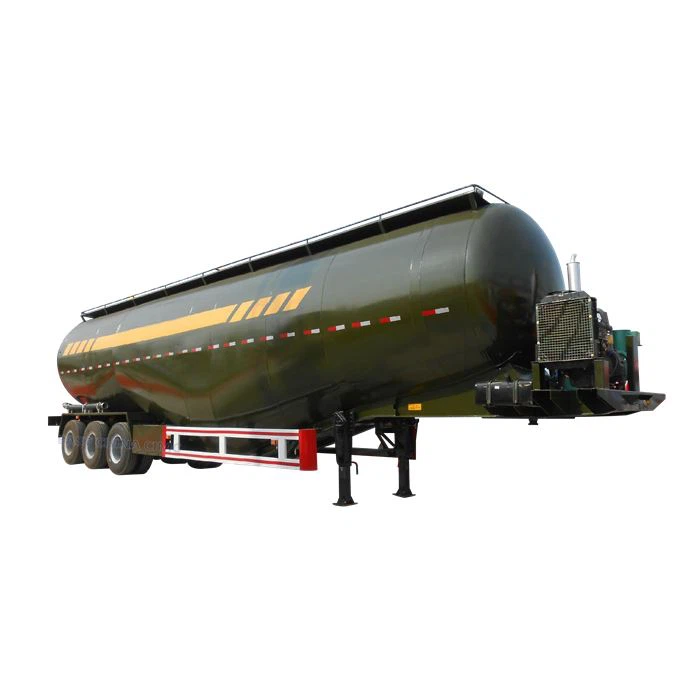
Each type of tanker may have specific regulations based on its design and the type of powder it carries. For example, tankers carrying certain chemicals may need to follow additional hazardous materials regulations. These can include special placarding requirements, specific routes that must be taken, and additional safety equipment on board.
Safety Equipment
Powder tanker drivers are required to have certain safety equipment on board. Fire extinguishers are a must. In case of a fire, having a properly rated and maintained fire extinguisher can save lives and prevent a small fire from turning into a disaster.
Emergency reflective triangles are also essential. If the tanker breaks down or is involved in an accident, these triangles can be placed around the vehicle to warn other drivers and increase visibility.
Personal protective equipment (PPE) is important for the driver. This can include dust masks to prevent inhalation of powder dust, safety glasses to protect the eyes from flying particles, and gloves to protect the hands.
Communication and Documentation
Good communication is key for powder tanker drivers. They need to be in contact with the dispatch center to report their location, any delays, or issues they encounter on the road. This helps the dispatchers plan the delivery schedule and make any necessary adjustments.
Documentation is another important aspect. Drivers need to keep records of their pre - trip inspections, loading and unloading times, and the weight of the cargo. These records can be used for compliance purposes and to prove that they've followed all the regulations.
Training and Certification
To drive a powder tanker, drivers need to have the proper training and certification. They usually need a commercial driver's license (CDL) with the appropriate endorsements. The training covers everything from vehicle operation and safety procedures to traffic regulations specific to powder tankers.
Regular refresher courses are also a good idea. Traffic laws change over time, and new safety technologies are constantly being introduced. By taking refresher courses, drivers can stay up - to - date and ensure they're always driving safely.
Conclusion
In conclusion, powder tanker drivers have a lot of responsibilities when it comes to traffic regulations. From pre - trip inspections to on - road driving, every step of the process is regulated to ensure the safety of the driver, other road users, and the environment.
If you're in the market for a powder tanker, we've got a wide range of high - quality options to choose from. Whether you need a 30tons Cement Trailer, an Aluminum Alloy Cement Tanker, or a 4 Axles Cement Trailer, we can help. If you're interested in purchasing a powder tanker, feel free to reach out to us for more information and to start the procurement discussion.
References
- Federal Motor Carrier Safety Administration (FMCSA) regulations
- Department of Transportation (DOT) guidelines for hazardous materials transportation
- Manufacturer's manuals for powder tankers