

As a supplier of ISO Tanker Trucks, I understand the critical importance of well - trained drivers. ISO Tanker Trucks, which you can learn more about ISO Tanker Truck, are used to transport a wide range of hazardous and non - hazardous liquids, including chemicals, fuels, and food products. Ensuring that drivers are properly trained is not only a regulatory requirement but also a matter of public safety and the protection of the environment.
General Driving Skills
First and foremost, ISO Tanker Truck drivers must possess excellent general driving skills. This includes a valid commercial driver's license (CDL) with the appropriate endorsements. In most regions, a Class A CDL is required to operate a tanker truck. The CDL training typically covers basic driving maneuvers such as starting, stopping, turning, and backing up. Drivers must be proficient in handling a large and heavy vehicle, which has different handling characteristics compared to a regular car or light - duty truck.
They also need to have a good understanding of traffic laws and regulations. This includes knowledge of speed limits, right - of - way rules, and traffic signs. Safe driving practices such as maintaining a safe following distance, using turn signals, and being aware of blind spots are essential. Additionally, drivers should be trained in defensive driving techniques to anticipate and avoid potential hazards on the road.
Tanker - Specific Training
Familiarity with the Vehicle
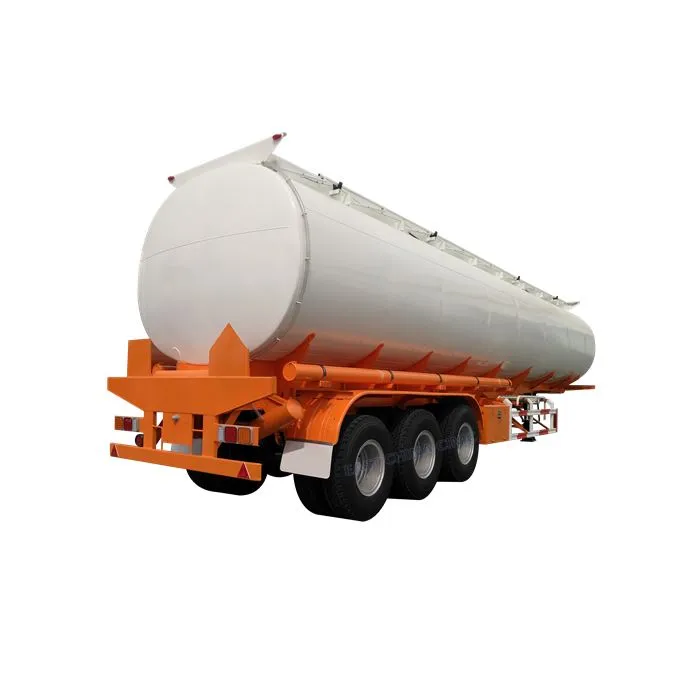
ISO Tanker Truck drivers need to be thoroughly familiar with the specific tanker they will be operating. This includes understanding the design and construction of the tanker, such as the type of tank (e.g., single - compartment or multi - compartment), the capacity, and the materials used in its construction. For example, some tanks are made of stainless steel for transporting corrosive chemicals, while others may be made of aluminum for lighter loads.
They should also know how to operate the various components of the tanker, such as the valves, pumps, and gauges. Drivers must be able to read and interpret the gauges accurately to monitor the level of the liquid in the tank, the pressure, and the temperature. Incorrect operation of these components can lead to spills, leaks, or other safety issues.
Loading and Unloading Procedures
Proper loading and unloading procedures are crucial for the safe operation of ISO Tanker Trucks. Drivers need to be trained on how to connect and disconnect the hoses safely, following the correct sequence. They must ensure that the hoses are properly secured and that there are no leaks before starting the loading or unloading process.
During loading, drivers need to monitor the filling rate to prevent over - filling. Over - filling can cause the liquid to spill out of the tank, which is not only a waste of product but also a significant safety hazard. They should also be aware of the proper grounding procedures to prevent static electricity from causing a fire or explosion, especially when transporting flammable liquids.
Unloading also requires careful attention. Drivers need to ensure that the receiving tank or container is suitable for the product being unloaded and that it is properly connected. They must follow the correct unloading sequence and monitor the process to prevent spills or contamination.
Handling of Hazardous Materials
Since many ISO Tanker Trucks are used to transport hazardous materials, drivers must receive specialized training in this area. This includes knowledge of the different classes of hazardous materials, such as flammable liquids, corrosives, and toxic substances. They need to understand the potential risks associated with each class and how to handle them safely.

Drivers should be trained in the proper use of personal protective equipment (PPE), such as gloves, goggles, and respirators. They must know how to respond to spills and leaks, including the use of spill - control equipment and the proper cleanup procedures. In addition, they need to be familiar with the emergency response procedures in case of an accident or a release of hazardous materials. This may involve notifying the appropriate authorities, evacuating the area, and providing first - aid if necessary.
Safety and Emergency Training
Safety Regulations and Standards
ISO Tanker Truck drivers must be well - versed in the safety regulations and standards that apply to their operations. These regulations are designed to protect the driver, the public, and the environment. They cover a wide range of topics, including vehicle maintenance, driver hours of service, and the transportation of hazardous materials.
For example, drivers need to know the requirements for pre - trip and post - trip inspections. These inspections are essential to ensure that the tanker is in good working condition before and after each trip. They should check the tires, brakes, lights, and other critical components of the vehicle. Any defects or issues found during the inspection must be reported and repaired immediately.
Emergency Response Training
In the event of an emergency, such as a fire, a collision, or a spill, drivers need to be prepared to respond quickly and effectively. Emergency response training should include procedures for dealing with different types of emergencies. For example, in case of a fire, drivers should know how to use the fire extinguisher on the tanker and when to call the fire department.
They should also be trained in evacuation procedures. This includes knowing how to safely evacuate the area around the tanker and how to assist any passengers or bystanders. In addition, drivers need to be familiar with the emergency contact information, such as the local emergency response agencies and the company's emergency hotline.
Continuing Education and Refresher Courses
The transportation industry is constantly evolving, and new regulations and technologies are emerging all the time. Therefore, ISO Tanker Truck drivers should participate in continuing education and refresher courses on a regular basis. These courses can help drivers stay up - to - date with the latest safety regulations, best practices, and new technologies.
For example, new tanker designs may incorporate advanced safety features, such as improved spill - prevention systems or more accurate gauges. Drivers need to be trained on how to use these new features effectively. Refresher courses can also reinforce the importance of safe driving practices and proper handling of hazardous materials.
Physical and Mental Fitness
ISO Tanker Truck driving can be physically and mentally demanding. Drivers need to be in good physical condition to handle the long hours of sitting, as well as the physical tasks involved in loading and unloading the tanker. They should have good eyesight and hearing to be able to operate the vehicle safely.
Mental fitness is also crucial. Drivers need to be able to stay focused and alert for long periods of time, especially when driving at night or in adverse weather conditions. They should be able to handle stress and make quick decisions in emergency situations.
Conclusion
In conclusion, the training requirements for ISO Tanker Truck drivers are comprehensive and cover a wide range of areas. From general driving skills to tanker - specific knowledge, from safety regulations to emergency response training, every aspect is essential for the safe and efficient operation of these vehicles.
As a supplier of ISO Tanker Trucks, we are committed to ensuring that our customers receive not only high - quality vehicles but also the necessary support in terms of driver training. If you are interested in purchasing our ISO Tanker Truck, EAST CHINA CIMC Chemical Tanker Trailer, or CIMC Fuel Oil|11000 Gallon Gasoline Liquid Tank Trailer, please feel free to contact us for more information and to discuss your specific requirements. We look forward to the opportunity to work with you.
References
- Federal Motor Carrier Safety Administration (FMCSA) regulations on commercial driver training.
- International Maritime Dangerous Goods (IMDG) Code for the transportation of hazardous materials by sea (relevant for some ISO tanker operations).
- Industry standards and guidelines from organizations such as the American Petroleum Institute (API) and the National Fire Protection Association (NFPA).