

Transporting liquids on a fence semi-trailer is a complex yet crucial task that requires careful consideration of various factors. As a reputable fence semi-trailer supplier, we understand the challenges and requirements associated with this specialized form of transportation. In this blog post, we will explore the best ways to transport liquids on a fence semi-trailer, taking into account safety, efficiency, and compliance with industry standards.
Understanding the Challenges of Liquid Transportation
Liquid transportation presents unique challenges compared to other types of cargo. Liquids are prone to sloshing, which can affect the stability of the trailer and increase the risk of accidents. Additionally, different liquids have varying properties, such as viscosity, density, and chemical reactivity, which must be considered when selecting the appropriate transportation method.
Selecting the Right Trailer Design
The design of the fence semi-trailer plays a crucial role in ensuring the safe and efficient transportation of liquids. When choosing a trailer for liquid transportation, consider the following factors:
- Tank Type: There are several types of tanks available for liquid transportation, including cylindrical, elliptical, and rectangular tanks. Cylindrical tanks are the most common choice due to their superior strength and stability. They are also less prone to sloshing compared to other tank shapes.
- Material: The material of the tank is another important consideration. Stainless steel is a popular choice for liquid transportation due to its corrosion resistance and durability. Aluminum tanks are also lightweight and corrosion-resistant, making them a suitable option for transporting non-corrosive liquids.
- Compartmentalization: Compartmentalizing the tank can help reduce sloshing and improve the stability of the trailer. By dividing the tank into smaller compartments, the liquid is less likely to shift during transportation, reducing the risk of accidents.
- Fittings and Valves: The fittings and valves on the tank must be carefully selected to ensure proper sealing and prevent leaks. High-quality valves and fittings made from durable materials are essential for safe liquid transportation.
Ensuring Safety and Compliance
Safety is of utmost importance when transporting liquids on a fence semi-trailer. To ensure the safety of the driver, the cargo, and the public, it is essential to comply with all relevant regulations and industry standards. Here are some key safety measures to consider:
- Proper Loading and Unloading: Liquids should be loaded and unloaded in a controlled manner to prevent spills and leaks. The tank should be properly secured before loading and unloading to prevent movement during the process.
- Sloshing Control: As mentioned earlier, sloshing can pose a significant risk to the stability of the trailer. To minimize sloshing, use baffles or anti-slosh devices inside the tank. These devices help to reduce the movement of the liquid and improve the stability of the trailer.
- Emergency Response Equipment: It is essential to have emergency response equipment on board the trailer, such as spill kits, fire extinguishers, and first aid kits. The driver should be trained in the proper use of this equipment in case of an emergency.
- Regular Maintenance: Regular maintenance of the trailer and the tank is crucial to ensure their safe operation. The tank should be inspected regularly for signs of corrosion, damage, or leaks. The fittings and valves should also be checked and maintained to ensure proper functioning.
Optimizing Efficiency
In addition to safety, efficiency is also an important consideration when transporting liquids on a fence semi-trailer. Here are some tips to optimize the efficiency of the transportation process:
- Route Planning: Plan the route carefully to avoid traffic congestion, road closures, and other obstacles. This can help reduce the travel time and fuel consumption of the trailer.
- Load Optimization: Optimize the load of the trailer to maximize the use of space and minimize the number of trips. This can help reduce the transportation costs and improve the overall efficiency of the operation.
- Fuel Efficiency: Use fuel-efficient driving techniques, such as maintaining a steady speed, avoiding sudden acceleration and braking, and keeping the tires properly inflated. This can help reduce the fuel consumption of the trailer and lower the operating costs.
Choosing the Right Accessories
In addition to the trailer design and safety measures, choosing the right accessories can also enhance the performance and functionality of the fence semi-trailer for liquid transportation. Here are some accessories to consider:
- Level Indicators: Level indicators are essential for monitoring the level of the liquid in the tank. They help the driver to know when the tank is full or empty, preventing overfilling or underfilling.
- Temperature Sensors: Temperature sensors can be used to monitor the temperature of the liquid in the tank. This is particularly important for transporting liquids that are sensitive to temperature changes, such as chemicals and food products.
- Pressure Gauges: Pressure gauges are used to monitor the pressure inside the tank. They help the driver to ensure that the pressure is within the safe operating range, preventing overpressure and potential accidents.
Conclusion
Transporting liquids on a fence semi-trailer requires careful planning, proper equipment, and adherence to safety regulations. By selecting the right trailer design, ensuring safety and compliance, optimizing efficiency, and choosing the right accessories, you can ensure the safe and efficient transportation of liquids. As a fence semi-trailer supplier, we offer a wide range of trailers and accessories for liquid transportation. Our trailers are designed and built to meet the highest standards of quality and safety, ensuring reliable performance and peace of mind.
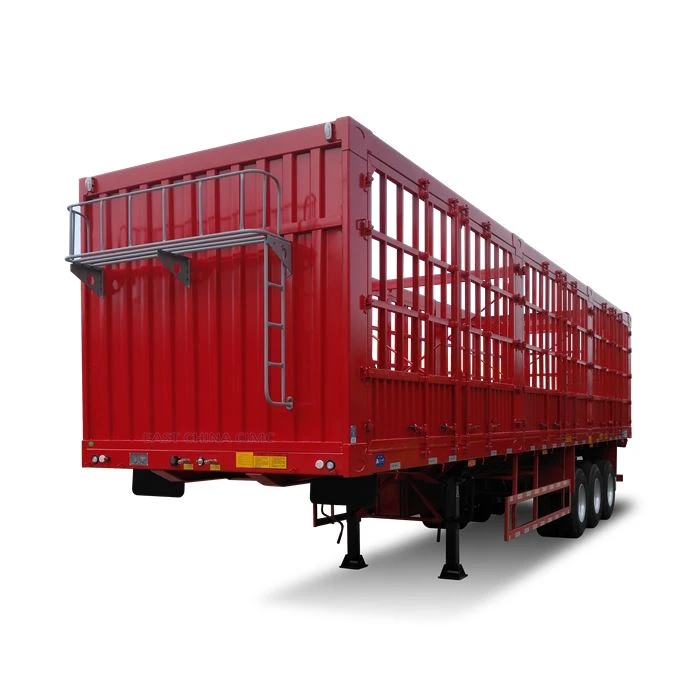

If you are interested in learning more about our fence semi-trailers for liquid transportation or have any questions, please contact us for more information. We would be happy to assist you in finding the right solution for your liquid transportation needs.
References
- American Petroleum Institute (API). (2019). Recommended Practice for Design and Construction of Large, Welded, Low-Pressure Storage Tanks (API 650).
- National Fire Protection Association (NFPA). (2018). Flammable and Combustible Liquids Code (NFPA 30).
- United States Department of Transportation (USDOT). (2020). Hazardous Materials Regulations (49 CFR Part 171-180).