

As a supplier of Bulk Cement Trailers, I am often asked about the various components and their functions in these specialized vehicles. One of the most critical parts of a bulk cement trailer is the air compressor. In this blog post, I will delve into the functions of the air compressor in a bulk cement trailer and explain why it is an indispensable component.
Understanding the Basics of a Bulk Cement Trailer
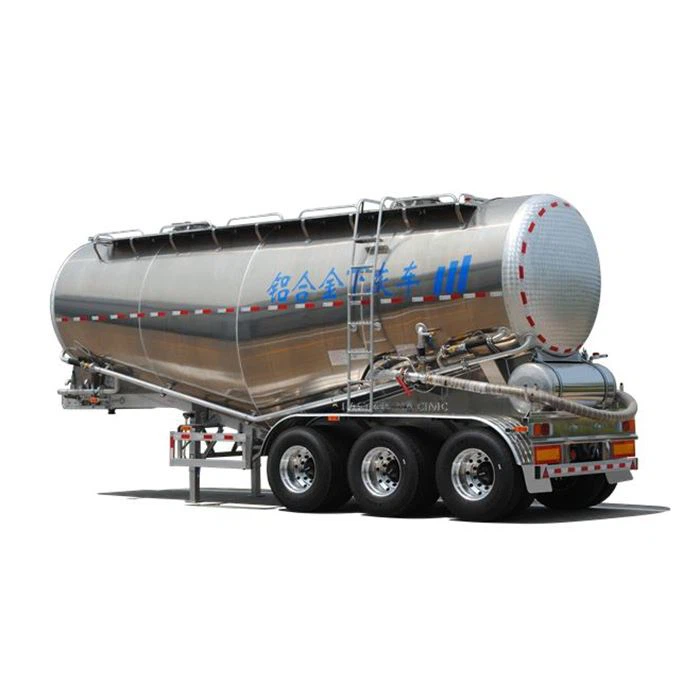
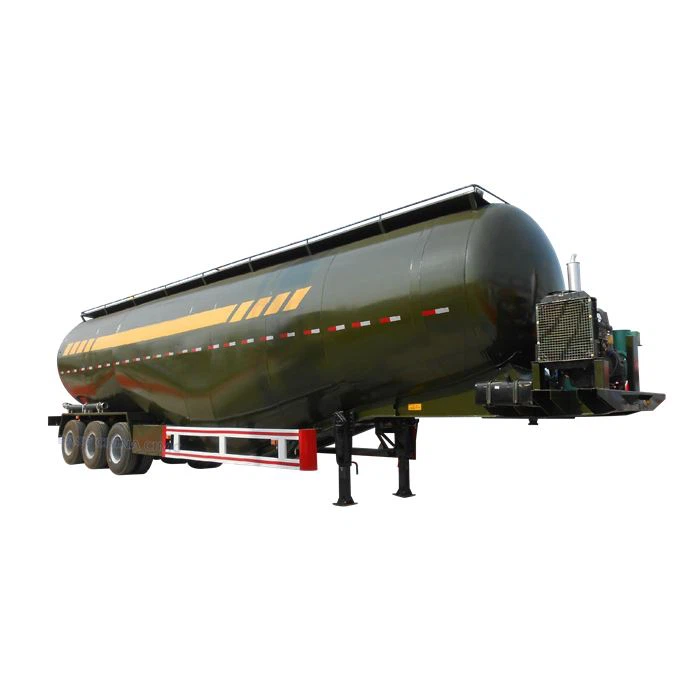
Before we discuss the role of the air compressor, let's briefly understand how a bulk cement trailer works. A bulk cement trailer is designed to transport dry bulk materials such as cement, fly ash, and lime in a pneumatic conveying system. The trailer consists of a large tank where the cement is stored and a set of pipes and valves that facilitate the unloading process.
The unloading of cement from the trailer is a pneumatic process. When the trailer reaches its destination, the air compressor is activated to generate compressed air. This compressed air is then used to fluidize the cement inside the tank, making it easier to flow through the pipes and into the storage silo at the destination.
Primary Functions of the Air Compressor
1. Fluidization of Cement
The first and most important function of the air compressor is to fluidize the cement inside the tank. Cement is a fine powder that tends to settle and form a compact mass when stored in a tank. This can make it difficult to unload the cement efficiently. The air compressor solves this problem by injecting compressed air into the tank through a series of porous plates or tubes located at the bottom of the tank.
The compressed air creates a cushion of air bubbles around the cement particles, reducing the friction between them and allowing the cement to flow like a fluid. This process is known as fluidization. Once the cement is fluidized, it can be easily transported through the pipes using the pressure created by the air compressor.
2. Pneumatic Conveyance
After the cement is fluidized, the air compressor is responsible for creating the pressure needed to convey the cement from the trailer to the storage silo. The compressed air acts as a carrier medium, pushing the fluidized cement through the pipes and into the silo.
The pressure generated by the air compressor must be carefully controlled to ensure that the cement is conveyed at the right speed and without any blockages. Too much pressure can cause the cement to be ejected too forcefully, leading to dust emissions and potential damage to the pipes and equipment. On the other hand, too little pressure can result in slow or incomplete unloading.
3. Cleaning the System
Another important function of the air compressor is to clean the internal components of the bulk cement trailer after the unloading process is complete. Residual cement can accumulate in the pipes, valves, and tank, which can cause blockages and reduce the efficiency of the system over time.
The air compressor can be used to blow compressed air through the system to remove any remaining cement particles. This helps to keep the system clean and prevents corrosion and wear and tear of the components.
Types of Air Compressors Used in Bulk Cement Trailers
There are several types of air compressors that can be used in bulk cement trailers, each with its own advantages and disadvantages. The most common types include:
1. Rotary Screw Compressors
Rotary screw compressors are widely used in bulk cement trailers due to their high efficiency and reliability. These compressors use two interlocking screws to compress the air. They are capable of producing a continuous flow of compressed air at a relatively high pressure, making them suitable for large-capacity trailers.
2. Piston Compressors
Piston compressors are another type of air compressor that can be used in bulk cement trailers. These compressors use a piston to compress the air inside a cylinder. They are generally less expensive than rotary screw compressors but are also less efficient and have a lower capacity.
3. Centrifugal Compressors
Centrifugal compressors are used in some high-capacity bulk cement trailers. These compressors use a rotating impeller to accelerate the air and then convert the kinetic energy into pressure energy. They are capable of producing very high pressures and are suitable for long-distance pneumatic conveying.
Importance of Choosing the Right Air Compressor
Choosing the right air compressor for a bulk cement trailer is crucial for ensuring efficient and reliable operation. The size and capacity of the air compressor should be matched to the size and capacity of the trailer. A compressor that is too small will not be able to generate enough pressure to fluidize and convey the cement effectively, while a compressor that is too large will be wasteful and may cause unnecessary wear and tear on the system.
In addition to the size and capacity, other factors to consider when choosing an air compressor include the operating pressure, flow rate, efficiency, and maintenance requirements. It is also important to choose a compressor that is compatible with the type of cement being transported and the specific requirements of the unloading system.
Our Bulk Cement Trailer Offerings
At our company, we offer a wide range of bulk cement trailers to meet the diverse needs of our customers. Our trailers are equipped with high-quality air compressors that are designed to provide reliable and efficient operation.
We have Aluminum Cement Tank Trailer, which are lightweight and corrosion-resistant, making them ideal for long-term use. Our Dry Bulk Cement Tanker Truck are designed for maximum capacity and efficiency, and our 30tons Cement Trailer are perfect for medium-sized projects.
Contact Us for Purchase and Consultation
If you are in the market for a bulk cement trailer or have any questions about the function of the air compressor, we would be happy to assist you. Our team of experts can provide you with detailed information about our products and help you choose the right trailer and air compressor for your specific needs.
Whether you are a construction company, a cement supplier, or a transportation company, we have the solutions to meet your requirements. Contact us today to start the conversation and explore how our bulk cement trailers can improve your operations.
References
- "Pneumatic Conveying Handbook" by David Mills
- "Cement Production Technology" by Erdogan Akyildiz
- Industry standards and guidelines for bulk cement trailers and air compressors