

When it comes to purchasing a dry bulk trailer, there are numerous factors that one should carefully consider. As a dry bulk trailer supplier, I've had the privilege of working with a wide range of customers, each with their unique needs and requirements. In this blog post, I'll share some essential considerations to keep in mind when buying a dry bulk trailer.

1. Capacity Requirements
The first and foremost consideration is the capacity of the dry bulk trailer. You need to determine how much material you'll be transporting on a regular basis. This will depend on the nature of your business and the volume of goods you handle. For example, if you're in the construction industry and need to transport cement, you'll likely require a trailer with a large capacity. On the other hand, if you're transporting smaller quantities of dry goods, a smaller trailer might suffice.
When assessing capacity, it's important to consider not only the volume but also the weight. Different materials have different densities, which means that the weight of the same volume of different materials can vary significantly. Make sure the trailer you choose can handle the maximum weight of the material you'll be transporting.
2. Type of Dry Bulk Trailer
There are several types of dry bulk trailers available in the market, each designed for specific applications. Some of the common types include:
- V Type Cement Tank Trailer: This type of trailer is specifically designed for transporting cement and other powdered materials. The V-shaped design helps in efficient unloading of the material. You can find more information about V Type Cement Tank Trailer.
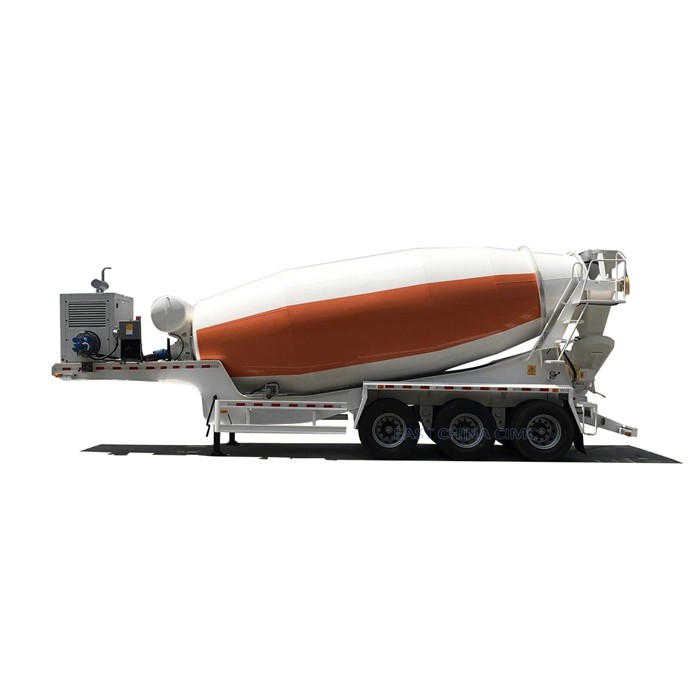
- Concrete Mixing Truck Trailer: If you're involved in the production of concrete, a concrete mixing truck trailer can be a great investment. It allows you to mix the concrete on-site, ensuring freshness and quality. Check out Concrete Mixing Truck Trailer for more details.
- EAST CHINA CIMC ISO Cement Container Tanker: This is a specialized tanker for transporting cement in ISO containers. It offers advantages in terms of standardization and ease of transportation. Learn more about EAST CHINA CIMC ISO Cement Container Tanker.
Choose the type of trailer that best suits your specific needs and the type of material you'll be transporting.
3. Build Quality and Durability
The build quality and durability of the dry bulk trailer are crucial factors. You want a trailer that can withstand the rigors of regular use and the harsh conditions of transportation. Look for trailers made from high-quality materials, such as steel or aluminum. Steel trailers are generally more durable and can handle heavier loads, while aluminum trailers are lighter and more corrosion-resistant.
Check the construction of the trailer, including the welds, joints, and overall structure. A well-built trailer will have strong and secure connections, ensuring long-term reliability. Also, consider the quality of the components, such as the suspension system, brakes, and tires. These components play a vital role in the safety and performance of the trailer.
4. Unloading System
The unloading system of the dry bulk trailer is another important consideration. Different trailers use different unloading methods, such as pneumatic, gravity, or mechanical systems.
- Pneumatic Unloading: This is a common method for unloading powdered materials like cement. It uses compressed air to blow the material out of the trailer. Pneumatic unloading systems are efficient and can unload the material quickly.
- Gravity Unloading: Gravity unloading is suitable for materials that can flow easily under the influence of gravity. This method is simple and requires less equipment, but it may be slower than pneumatic unloading.
- Mechanical Unloading: Mechanical unloading systems use conveyors or augers to move the material out of the trailer. This method is often used for materials that are more viscous or difficult to flow.
Choose the unloading system that is most appropriate for the type of material you'll be transporting and your specific unloading requirements.
5. Safety Features
Safety should always be a top priority when buying a dry bulk trailer. Look for trailers that are equipped with essential safety features, such as:
- Braking System: A reliable braking system is crucial for safe operation. Make sure the trailer has a well-maintained and efficient braking system, including anti-lock brakes (ABS) if possible.
- Lighting and Reflectors: Proper lighting and reflectors are essential for visibility, especially during night-time or low-light conditions. Ensure that the trailer has all the necessary lights and reflectors in good working condition.
- Safety Rails and Handholds: Safety rails and handholds provide protection for the operators when accessing the trailer. They help prevent falls and injuries.
- Overfill Protection: Overfill protection devices prevent the trailer from being overfilled, which can lead to safety hazards and damage to the trailer.
6. Maintenance and Serviceability
Regular maintenance is essential to keep the dry bulk trailer in good working condition. Consider the ease of maintenance and serviceability of the trailer. Look for trailers that have accessible components and clear maintenance instructions.
It's also important to choose a supplier that offers good after-sales service and support. A reliable supplier will be able to provide spare parts, technical assistance, and maintenance services when needed.
7. Cost and Budget
Of course, cost is an important factor when buying a dry bulk trailer. Set a budget based on your financial situation and the expected return on investment. Compare the prices of different trailers from various suppliers, but don't compromise on quality for the sake of a lower price.
Consider the total cost of ownership, which includes not only the purchase price but also the cost of maintenance, fuel, and insurance. A higher-quality trailer may have a higher initial cost but can save you money in the long run by reducing maintenance and operating costs.
8. Compatibility with Tractors
Ensure that the dry bulk trailer is compatible with the tractors you'll be using to pull it. Consider factors such as the coupling mechanism, weight distribution, and electrical connections. A proper match between the trailer and the tractor is essential for safe and efficient operation.
9. Regulatory Compliance
Make sure the dry bulk trailer complies with all the relevant regulations and standards. This includes safety regulations, environmental regulations, and transportation regulations. Non-compliance can lead to fines and legal issues, so it's important to do your due diligence.
10. Reputation of the Supplier
Finally, consider the reputation of the supplier. A reputable supplier will have a track record of providing high-quality products and excellent customer service. Look for reviews and testimonials from other customers to get an idea of the supplier's reliability and credibility.
In conclusion, buying a dry bulk trailer is a significant investment that requires careful consideration. By taking into account the factors mentioned above, you can make an informed decision and choose a trailer that meets your specific needs and requirements. If you have any questions or need further assistance in selecting the right dry bulk trailer, feel free to contact us for a detailed discussion and procurement negotiation.
References
- Trailer Industry Publications
- Manufacturer's Product Manuals
- Industry Standards and Regulations