

Hey there! I'm a supplier of fuel tank trailers, and I often get asked if humidity affects these trailers. Well, let's dive right into it and see what's going on.
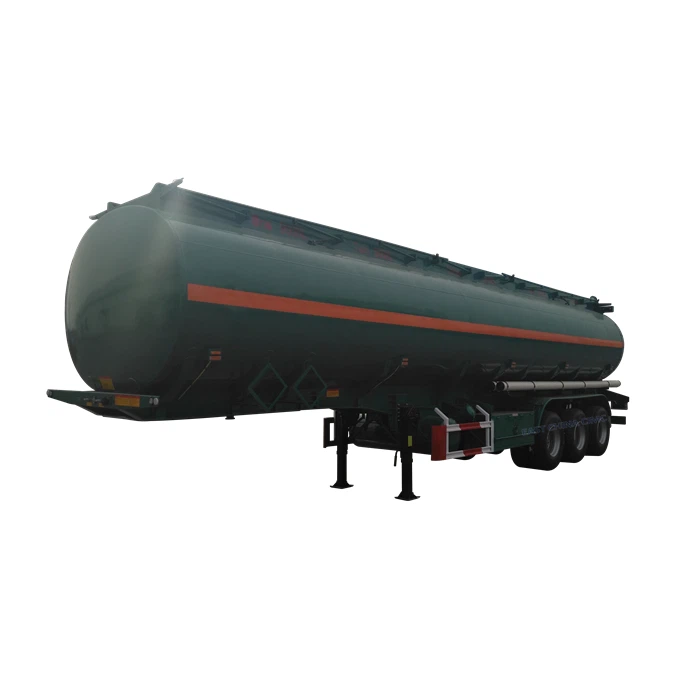
First off, we need to understand what fuel tank trailers are all about. We offer a variety of fuel tank trailers, like the LNG LPG Tank Trailer, the Oil Tank Trailer For Gasoline/Diesel Transport, and the CIMC Fuel Tanker Trailer. These trailers are used to transport different types of fuels, and they need to be in top - notch condition to ensure safe and efficient delivery.
Now, let's talk about humidity. Humidity is the amount of water vapor in the air. And it can have several impacts on fuel tank trailers.
One of the most obvious effects is on the exterior of the trailer. High humidity levels can lead to corrosion. When water vapor in the air comes into contact with the metal surface of the trailer, it can cause a chemical reaction. If the trailer isn't properly coated or if the coating starts to wear off, moisture will start to eat away at the metal. This is a big deal because corrosion weakens the structure of the trailer. It can lead to holes, cracks, and other structural damages that are not only dangerous but also costly to repair.
For example, in a coastal area where the humidity is often high and there's also salt in the air, the corrosion process can be even faster. Salt is a catalyst, which speeds up the chemical reaction between the metal and the moisture. So, if you're using a fuel tank trailer in such an environment, you really need to keep a close eye on the exterior for any signs of corrosion.
Another aspect affected by humidity is the insulation of the trailer. Some fuel tank trailers, especially those carrying LNG or LPG, rely on good insulation to keep the fuel at the right temperature. High humidity can reduce the effectiveness of that insulation. Moisture can seep into the insulation material, which changes its thermal properties. When the insulation is compromised, it means the fuel might not stay at the optimal temperature. For LNG and LPG, this can lead to issues like vaporization or pressure changes inside the tank, which can be a safety hazard.
Inside the tank, humidity can also have an impact. If there's any moisture that gets inside the tank along with the fuel, it can cause problems. Water and fuel don't mix well, especially in the case of gasoline and diesel. Water can settle at the bottom of the tank, and over time, it can lead to microbial growth. These microbes can clog filters, damage fuel injection systems, and even cause engine problems for the vehicles that use the fuel.
Now, you might be wondering, what can we do to deal with the effects of humidity on fuel tank trailers? Well, proper maintenance is key. Regularly inspecting the exterior of the trailer for signs of corrosion and repainting or recoating if necessary can go a long way in preventing major damage. For insulation, make sure it's in good condition and replace it if there are any signs of moisture penetration.
We also need to have proper ventilation systems in place. Venting can help reduce the humidity inside the tank and prevent the buildup of pressure. And when it comes to filling the tank, using proper filtration systems can help remove any moisture that might be present in the fuel before it goes into the tank.
As a supplier, we understand the importance of these issues. That's why we're committed to providing high - quality fuel tank trailers that are designed to withstand different environmental conditions, including high humidity. Our trailers are made with high - grade materials and advanced coatings to resist corrosion. We also ensure that the insulation is of the highest quality to maintain the temperature of the fuel.
If you're in the market for a fuel tank trailer, whether it's a LNG LPG Tank Trailer, an Oil Tank Trailer For Gasoline/Diesel Transport, or a CIMC Fuel Tanker Trailer, we're here to help. Our team of experts can provide you with all the information you need and guide you through the selection process to ensure you get the right trailer for your specific needs.
Contact us if you want to discuss more about purchasing a fuel tank trailer. We'd be happy to have a chat and answer any questions you might have. Whether you're looking to transport fuel locally or across long distances, we've got the trailers that can meet your requirements.

References:
- General knowledge about fuel tank trailers and environmental effects on metal structures.
- Industry standards and best practices for fuel tank trailer maintenance.