

As a supplier of cement tankers, I understand the importance of keeping these vehicles in top - notch condition. Cement tankers are heavy - duty workhorses that transport cement powder from one place to another. However, over time, cement residue can build up inside the tanker, which not only affects its performance but also shortens its lifespan. In this blog, I'll share some practical tips on how to clean a cement tanker effectively.
Pre - cleaning Preparation
Before diving into the actual cleaning process, it's crucial to take some preparatory steps. First off, you need to ensure the tanker is completely empty. This might seem obvious, but you'd be surprised at how often people miss a small amount of cement powder in the corners. Make sure to use the tanker's unloading system to the fullest and let it run until there's no visible movement of the cement inside.

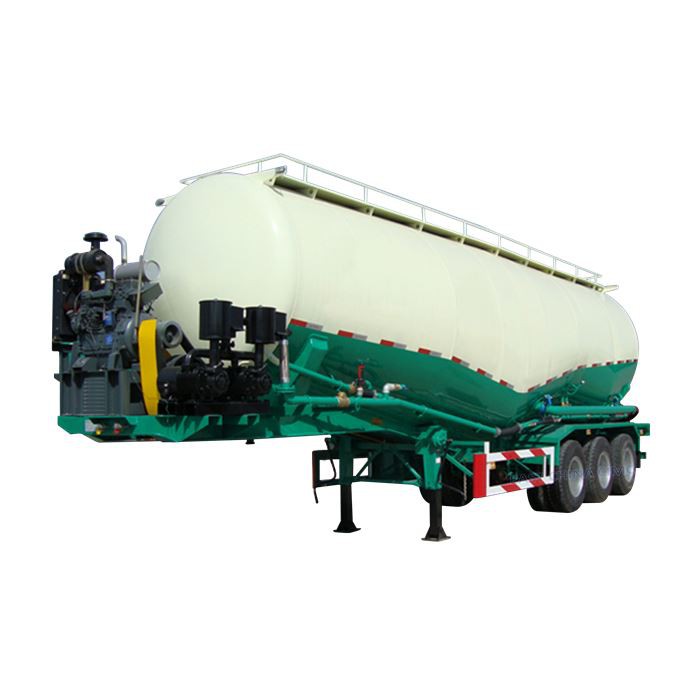
Next, you need to gather all the necessary cleaning tools and materials. Basic equipment includes high - pressure water hoses, brushes of different sizes, cleaning agents specially formulated for cement removal, safety goggles, and gloves. Safety should always be your top priority when dealing with cleaning chemicals and high - pressure water.
Draining and Rinsing
Once the tanker is empty, the first step is to open all the drainage valves. This allows any remaining loose cement powder to drain out. You can use a gentle stream of water from a hose to help flush out the larger chunks of solidified cement near the valves.
After draining, start a preliminary rinse with clean water. Use the high - pressure hose and spray water at different angles inside the tanker. This helps to loosen the cement that's stuck to the walls. Make sure to cover every nook and cranny, including the top, sides, and bottom of the tanker. This initial rinse also helps to reduce the amount of dry cement that might create dust during further cleaning steps, which is not only a hassle but also a health hazard.
Applying Cleaning Agents
While plain water can do a decent job at removing surface - level residue, for stubborn cement deposits, you'll need a good cleaning agent. There are many products on the market designed specifically for cement tanker cleaning. When choosing a cleaning agent, look for one that is effective in dissolving cement but also safe for the tanker's interior coating.
After selecting the appropriate cleaner, follow the manufacturer's instructions on the label for dilution ratios. You can use a pressure washer or a sprayer to apply the cleaning agent evenly on the inside walls of the tanker. Let the cleaner sit for the recommended time, usually anywhere from 15 to 30 minutes. During this time, the chemicals in the cleaner work to break down the cement bonds.
Scrubbing the Tanker
Once the cleaning agent has had enough time to work its magic, it's time to start scrubbing. For larger areas, use a long - handled brush that can reach the top and sides of the tanker without you having to climb inside too much. For smaller, hard - to - reach areas, such as corners or around valves, use a smaller, more flexible brush.
Scrub in a circular motion to ensure that you cover all the areas where cement is stuck. You might need to put in some elbow grease, especially for thick layers of cement. If you encounter particularly stubborn spots, you can apply a bit more cleaning agent and let it sit for a few more minutes before scrubbing again.
High - pressure Cleaning
After scrubbing, it's time for a thorough high - pressure cleaning. Use a high - pressure hose with a nozzle that can produce a strong, concentrated stream of water. Start from the top of the tanker and work your way down in sections. The high - pressure water will help to remove the loosened cement and any remaining cleaning agent.
Make sure to adjust the pressure according to the tanker's interior material. You don't want to use too high a pressure and damage the tank. Also, keep the nozzle at a proper distance from the walls to ensure even cleaning. This step might need to be repeated a few times until the water running out of the tanker is clear and free of any cement particles.
Final Inspection and Drying
Once you've finished the high - pressure cleaning, it's important to do a final inspection. Look inside the tanker carefully under proper lighting to check for any remaining cement residue. If you find any spots, repeat the scrubbing and cleaning steps in those areas.
After the inspection, let the tanker dry completely before using it again. You can open all the hatches and valves to allow air to circulate and speed up the drying process. Avoid using the tanker when it's still wet, as the moisture can cause the cement to clump and solidify again when it's loaded.
Regular Maintenance and Cleaning Schedule
To keep your cement tanker in the best condition, it's important to establish a regular cleaning and maintenance schedule. Daily or after each load, do a quick visual inspection and a basic rinse if possible. This helps to prevent large - scale cement build - up.
For a more thorough cleaning, plan to clean the tanker every few weeks or months, depending on how frequently it's used. Regular maintenance also includes checking the hoses, valves, and other components for any signs of wear and tear, and replacing them as needed.
Explore Our Cement Tanker Products
If you're in the market for a new cement tanker or looking to upgrade your current one, we've got a great range of products to offer. Check out our Lifting Cement Tank Trailer, which is designed for efficient and reliable cement transportation. Our Cement Powder Trailer is another excellent option, known for its durability and easy - to - clean design. And if you need a more specialized tanker, take a look at our 3 - Compartment Pneumatic Cement Tanker Trailer.
If you have any questions about our products, or need further advice on cement tanker cleaning and maintenance, don't hesitate to get in touch with us. We're here to help you make the best choice for your business. Reach out to us to start a conversation about your procurement needs.
References
- Various industry - specific cleaning product manuals
- Cement tanker manufacturers' maintenance guides