

Hey there! As a flatbed trailer supplier, I often get asked if a flatbed trailer can be used for off-road hauling. Well, let's dive right into it and find out.
First off, what exactly is a flatbed trailer? It's a type of trailer with a flat, open deck, without sides or a roof. This design makes it super versatile for carrying all sorts of cargo, from heavy machinery to building materials. You can easily load and unload items from the sides or the rear, which is a huge plus.
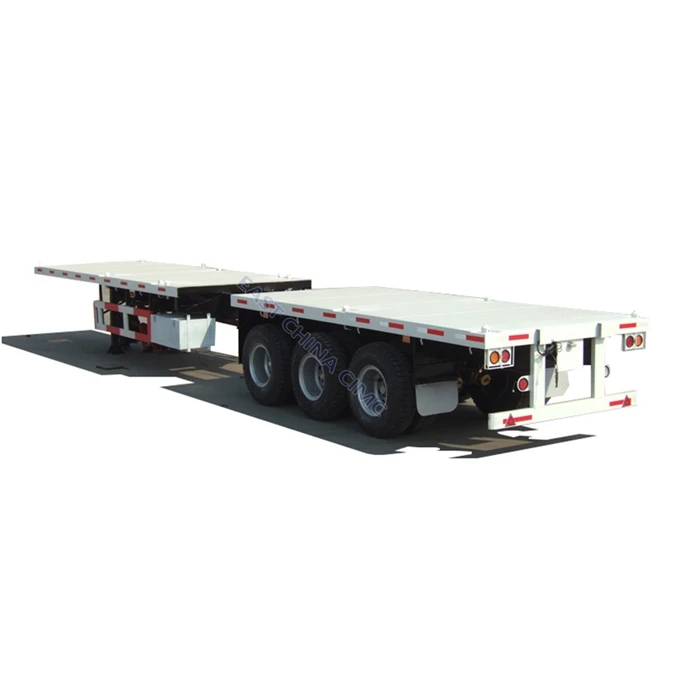

Now, the big question: Can it handle off-road conditions? The answer isn't a simple yes or no. It depends on several factors.
Trailer Design and Build Quality
The design and build quality of the flatbed trailer play a crucial role. A well-built trailer with a sturdy frame and suspension system stands a better chance of handling off-road terrain. For example, trailers made with high-strength steel can withstand the stress and vibrations that come with rough roads.
Some flatbed trailers are specifically designed for more rugged use. Take the Extendable Flatbed Trailer. It's not only flexible in terms of length, which is great for carrying long cargo, but it can also be built to handle tougher conditions. Its robust construction means it can take on bumps and uneven ground without falling apart.
Tires and Suspension
Tires are like the shoes of a trailer. The right tires can make or break your off-road hauling experience. Off-road tires have deeper treads, which provide better traction on loose soil, mud, or gravel. They also need to be able to handle the extra weight of the cargo and the stress of off-road driving.
Suspension is another key factor. A good suspension system helps to absorb the shocks and bumps of the terrain. It keeps the trailer stable and reduces the risk of damage to the cargo. Some trailers come with heavy-duty suspension that's designed for off-road use. This allows the trailer to adapt to different ground conditions and keep the ride as smooth as possible.
Cargo Type and Weight
The type and weight of the cargo you're hauling also matter. If you're carrying light, well-secured items, the trailer might be able to handle off-road conditions more easily. But if you're hauling heavy machinery or large, bulky items, it puts more stress on the trailer and its components.
For instance, a 40tons Capacity Flatbed Trailer Cimc Vehicle is built to carry a significant amount of weight. However, when taking it off-road, you need to be extra careful. The weight can cause more wear and tear on the tires, suspension, and frame. You also need to make sure the cargo is properly balanced and secured to prevent it from shifting during the journey.
Terrain and Environment
The specific off-road terrain you're dealing with is a major consideration. If it's a relatively flat, gravel road, a flatbed trailer might do just fine. But if you're talking about steep hills, deep mud, or rocky terrain, it's a whole different ballgame.
In muddy conditions, the trailer can easily get stuck. The tires might lose traction, and the trailer could end up sinking. Rocky terrain can also be a problem, as sharp rocks can damage the tires and the underside of the trailer.
On the other hand, some flatbed trailers are better equipped to handle these challenges. The MAFI Flatbed is known for its durability and ability to tackle tough environments. It has features that make it more suitable for off-road use, such as a strong chassis and reliable braking system.
Maintenance and Inspection
Regular maintenance and inspection are essential, especially when using a flatbed trailer for off-road hauling. Before each trip, you should check the tires for wear and proper inflation. Inspect the brakes, suspension, and lights to make sure they're all in working order.
After an off-road haul, it's important to clean the trailer thoroughly. Mud, dirt, and debris can accumulate and cause corrosion over time. You should also check for any signs of damage, such as cracks in the frame or loose bolts.
Advantages of Using a Flatbed Trailer for Off-Road Hauling
Despite the challenges, there are some advantages to using a flatbed trailer for off-road hauling. One of the biggest benefits is the flexibility. You can easily load and unload different types of cargo, regardless of their shape or size. This makes it a great choice for construction sites, mining operations, or any other off-road job where you need to transport a variety of items.
Another advantage is the visibility. With an open deck, you can easily see the cargo and make sure it's secure during the journey. This can help prevent accidents and damage to the cargo.
Disadvantages of Using a Flatbed Trailer for Off-Road Hauling
However, there are also some disadvantages. As mentioned earlier, off-road conditions can be tough on the trailer. The wear and tear can lead to more frequent repairs and maintenance, which can be costly.
There's also the risk of damage to the cargo. Without sides or a roof, the cargo is more exposed to the elements and the rough terrain. It might get scratched, dented, or even fall off the trailer if it's not properly secured.
Conclusion
So, can a flatbed trailer be used for off-road hauling? The answer is yes, but with some limitations. It depends on the design and build quality of the trailer, the type of tires and suspension, the cargo you're carrying, the terrain, and how well you maintain the trailer.
If you're thinking about using a flatbed trailer for off-road hauling, it's important to choose the right trailer for the job. Consider your specific needs and the conditions you'll be facing. And always remember to do your regular maintenance and inspections.
If you're in the market for a flatbed trailer, whether it's for off-road use or not, I'd love to help. We offer a wide range of high-quality flatbed trailers that can meet your needs. Just reach out, and we can start a conversation about your requirements. Let's find the perfect trailer for your hauling needs together!
References
- Industry knowledge and experience as a flatbed trailer supplier.
- General understanding of flatbed trailer design and off-road vehicle requirements.