

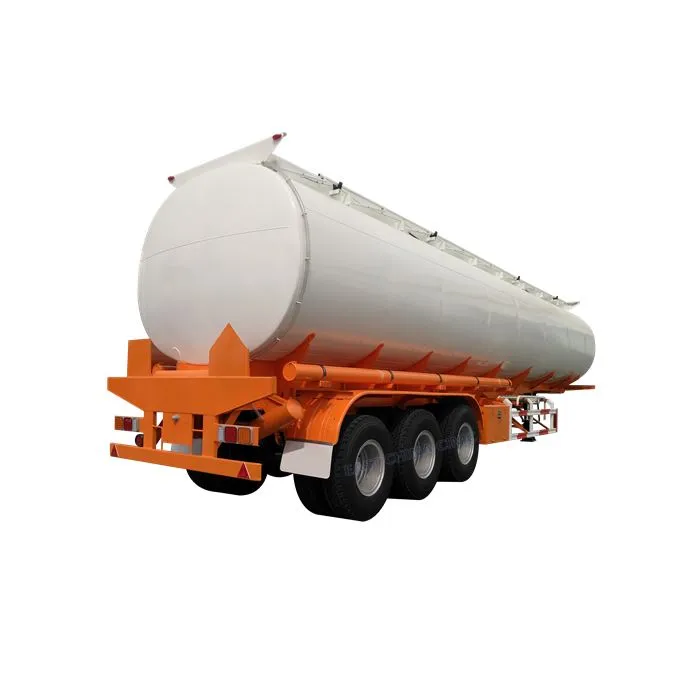
A fuel tanker trailer is a critical piece of equipment in the transportation of various fuels, including gasoline, diesel, crude oil, and other petroleum products. Ensuring the safety of these transports is of utmost importance, and one key safety feature is the emergency shut - off system. As a reputable fuel tanker trailer supplier, I am here to explain in detail how this vital system works.
The Basics of a Fuel Tanker Trailer's Emergency Shut - Off System
The emergency shut - off system of a fuel tanker trailer is designed to quickly stop the flow of fuel in case of an emergency. Emergencies can range from a fire, a collision, a leak, or any other situation that poses a threat to the safety of the vehicle, its operators, and the surrounding environment.
The system typically consists of several components, including sensors, valves, and a control unit. The sensors are strategically placed throughout the tanker trailer to detect abnormal conditions. For example, heat sensors can detect the presence of a fire, while pressure sensors can identify sudden changes in pressure that may indicate a leak or a rupture in the tank.
Once a sensor detects an emergency situation, it sends a signal to the control unit. The control unit is the brain of the emergency shut - off system. It processes the signals from the sensors and determines the appropriate response. In most cases, the control unit will trigger the closing of the valves that control the flow of fuel in and out of the tank.
Types of Sensors Used in the Emergency Shut - Off System
Heat Sensors
Heat sensors are crucial for detecting fires. They work by measuring the temperature in the vicinity of the tanker trailer. If the temperature rises above a pre - set threshold, which is typically indicative of a fire, the heat sensor sends a signal to the control unit. Some heat sensors are designed to be highly sensitive and can detect even small increases in temperature, allowing for an early response to a potential fire.
Pressure Sensors
Pressure sensors are used to monitor the pressure inside the fuel tank. A sudden drop in pressure may indicate a leak, while a sudden increase in pressure could be a sign of a blockage or a problem with the pumping system. When a pressure sensor detects an abnormal pressure change, it sends a signal to the control unit, which can then take action to shut off the fuel flow.
Leak Sensors
Leak sensors are designed to detect the presence of fuel outside the tank. They can be placed around the joints, valves, and other potential leak points on the tanker trailer. If a leak sensor detects the presence of fuel, it sends a signal to the control unit, which will initiate the shut - off process.
Valves in the Emergency Shut - Off System
The valves are the physical components that stop the flow of fuel. There are typically two main types of valves used in a fuel tanker trailer's emergency shut - off system: ball valves and butterfly valves.

Ball Valves
Ball valves are commonly used in fuel tanker trailers because they are reliable and can provide a tight seal. A ball valve consists of a spherical disc with a hole in the middle. When the valve is open, the hole in the ball aligns with the pipeline, allowing fuel to flow. When the control unit sends a signal to close the valve, the ball rotates 90 degrees, blocking the flow of fuel.
Butterfly Valves
Butterfly valves are another type of valve used in the emergency shut - off system. They consist of a disc that rotates on a shaft. When the valve is open, the disc is parallel to the flow of fuel, allowing it to pass through. When the control unit signals the valve to close, the disc rotates 90 degrees, perpendicular to the flow of fuel, effectively stopping the flow.
The Control Unit and its Function
The control unit is responsible for coordinating the entire emergency shut - off process. It receives signals from the sensors, analyzes the data, and decides whether to trigger the shut - off of the valves. The control unit is programmed with specific algorithms that take into account the type of emergency detected and the severity of the situation.
In addition to triggering the valve closure, the control unit may also activate other safety features, such as alarms and emergency lighting. Alarms can alert the driver and nearby personnel to the emergency, while emergency lighting can help in the evacuation process and make the tanker trailer more visible in low - light conditions.
Manual vs. Automatic Emergency Shut - Off
Most fuel tanker trailers are equipped with both manual and automatic emergency shut - off systems. The automatic system is designed to respond quickly to emergencies without the need for human intervention. However, in some cases, the driver or an operator may need to manually activate the shut - off system.
The manual shut - off mechanism is usually a simple switch or lever that can be easily accessed by the driver. In an emergency situation, the driver can quickly reach for the manual shut - off switch and close the valves to stop the flow of fuel. This provides an additional layer of safety and ensures that the shut - off system can be activated even if the automatic sensors or control unit fails.
Importance of Regular Maintenance and Testing
To ensure the reliability of the emergency shut - off system, regular maintenance and testing are essential. The sensors need to be calibrated regularly to ensure that they are accurate and can detect emergencies in a timely manner. The valves should be inspected for wear and tear, and any damaged parts should be replaced immediately.
Testing the emergency shut - off system is also crucial. This can be done through simulated emergency scenarios. By triggering the system under controlled conditions, operators can verify that the sensors, control unit, and valves are all functioning properly. Regular testing helps to identify any potential problems before they become serious issues and ensures that the emergency shut - off system will work when it is needed most.
Our Offerings as a Fuel Tanker Trailer Supplier
As a fuel tanker trailer supplier, we offer a wide range of high - quality tanker trailers with advanced emergency shut - off systems. Our trailers are designed to meet the highest safety standards and are built with the latest technology to ensure reliable performance.
We have the EAST CHINA CIMC Chemical Tanker Trailer, which is specifically designed for the transportation of chemicals. This tanker trailer is equipped with a state - of - the - art emergency shut - off system that can quickly respond to any emergency situation.
For those in the food industry, we offer the Food Oil Tank Trailer. This trailer is built to ensure the safe transportation of food oils, and its emergency shut - off system is designed to prevent any contamination or spills.
Our 42000 Liters Crude Oil|Petroleum Fuel Insulation Tank Trailer is ideal for the transportation of large quantities of crude oil and petroleum products. It comes with a robust emergency shut - off system that provides an extra layer of safety during transportation.
Contact Us for Procurement
If you are in the market for a fuel tanker trailer with a reliable emergency shut - off system, we encourage you to contact us. Our team of experts is ready to assist you in choosing the right tanker trailer for your specific needs. We can provide detailed information about our products, including their features, specifications, and pricing. Whether you are a small business or a large corporation, we have the solution for you. Let's work together to ensure the safe and efficient transportation of your fuel products.
References
- "Safety Standards for Fuel Tanker Trailers", International Maritime Organization.
- "Emergency Shut - Off Systems in the Transportation Industry", Journal of Safety Engineering.
- "Advanced Sensors for Fuel Tanker Safety", Proceedings of the National Academy of Engineering.