

Hey there! As a supplier of flatbed trailers, I often get asked about how these trailers impact the fuel efficiency of the towing vehicles. It's an important question, especially considering the rising fuel costs and the push towards more sustainable transportation solutions. In this blog post, I'll break down the key factors that come into play and what you can expect when hitching a flatbed trailer to your truck.
Aerodynamics: The Slippery Slope
One of the biggest culprits when it comes to reduced fuel efficiency is aerodynamics. When you attach a flatbed trailer to your vehicle, you're essentially adding a big, flat surface that has to push through the air. This creates drag, which is like trying to swim through molasses instead of water. The more drag your vehicle has to overcome, the more fuel it needs to burn to maintain speed.
Think of it like this: when you drive your truck without a trailer, it's like a sleek race car cutting through the air. But when you hook up a flatbed, it's more like pushing a barn door down the highway. The shape of the trailer matters a lot too. A well-designed flatbed with rounded edges and a streamlined profile will have less drag than a boxy, square one.
Some of our trailers, like the Container Delivery Trailer, are designed with aerodynamics in mind. They have features like sloped sides and wind deflectors that help to reduce drag and improve fuel efficiency. It might not seem like much, but every little bit helps when you're looking at long hauls.
Weight: The Heavy Load
Another major factor that affects fuel efficiency is the weight of the trailer and its cargo. The more weight your vehicle has to carry, the more power it needs to move. This means your engine has to work harder, which in turn burns more fuel.
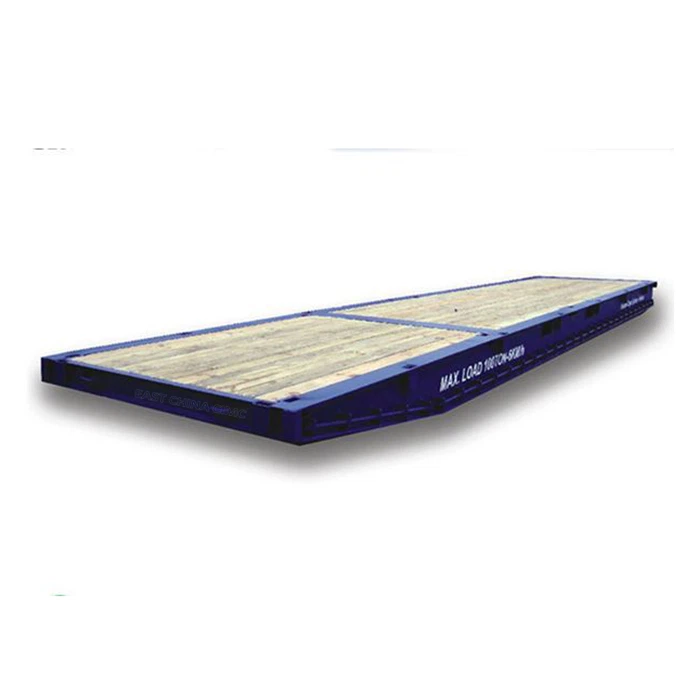
It's not just the weight of the trailer itself that matters; it's also how you load it. Distributing the weight evenly across the trailer is crucial. If you pile all the cargo on one side or at the front, it can throw off the balance of the vehicle and make it less fuel-efficient. Our MAFI Trailer is built with a strong, lightweight frame that helps to keep the overall weight down while still being able to carry heavy loads. This way, you can get the most out of your fuel without sacrificing capacity.

Tires and Maintenance: The Rubber on the Road
The tires on your flatbed trailer can also have a significant impact on fuel efficiency. Underinflated tires create more rolling resistance, which means your vehicle has to work harder to move forward. It's like trying to ride a bike with flat tires – it takes a lot more effort.
Regular maintenance is key. Keeping your tires properly inflated, rotating them regularly, and making sure the wheels are aligned can all help to improve fuel efficiency. Our Chassis Flatbed Trailer comes with high-quality tires that are designed to reduce rolling resistance and last longer. This not only saves you money on fuel but also on tire replacements.
Driving Habits: The Human Factor
Believe it or not, your driving habits can also make a big difference in how much fuel your towing vehicle uses. Aggressive driving, like rapid acceleration and hard braking, can waste a lot of fuel. It's better to accelerate slowly and maintain a steady speed. Using cruise control on the highway can help with this.
Another thing to keep in mind is idling. If you're going to be stopped for more than a minute or two, it's better to turn off your engine. Idling burns fuel without getting you anywhere. By being a more mindful driver, you can offset some of the fuel efficiency losses caused by towing a flatbed trailer.
The Numbers Game
So, how much of a difference does a flatbed trailer really make in terms of fuel efficiency? Well, it depends on a lot of factors, but on average, you can expect to see a decrease of anywhere from 10% to 30% in fuel efficiency when towing a flatbed trailer. This can add up quickly, especially for long-haul truckers.
However, it's not all bad news. With the right trailer design, proper loading, good tire maintenance, and smart driving habits, you can minimize the impact on fuel efficiency. And let's not forget about the benefits that come with using a flatbed trailer. They're incredibly versatile and can carry a wide range of cargo, from construction materials to industrial equipment.
Conclusion: A Balancing Act
In conclusion, a flatbed trailer does have an impact on the fuel efficiency of the towing vehicle, but it doesn't have to be a deal-breaker. By understanding the key factors that affect fuel consumption and taking steps to mitigate them, you can make the most of your towing experience.
If you're in the market for a flatbed trailer, I'd love to chat with you. We have a wide range of trailers that are designed to meet your specific needs and help you get the best possible fuel efficiency. Whether you're looking for a Container Delivery Trailer, a MAFI Trailer, or a Chassis Flatbed Trailer, we've got you covered.
Contact us today to learn more about our products and how we can help you find the perfect flatbed trailer for your business. Let's work together to make your transportation more efficient and cost-effective.
References
- SAE International - "Truck Aerodynamics and Fuel Efficiency"
- Federal Motor Carrier Safety Administration - "Weight Regulations and Fuel Efficiency"
- Tire Industry Association - "Tire Maintenance for Improved Fuel Economy"