

As a supplier of Bulk Flour Tankers, I understand the critical importance of anti - corrosion measures for these specialized vehicles. Bulk flour tankers are designed to transport large quantities of flour efficiently and safely. However, they are constantly exposed to various environmental factors and the nature of the cargo itself, which can lead to corrosion if not properly addressed. In this blog, I will discuss the key anti - corrosion measures for bulk flour tankers.
Understanding the Corrosion Risks
Before delving into the anti - corrosion measures, it is essential to understand the factors that contribute to corrosion in bulk flour tankers. Flour, although seemingly harmless, can absorb moisture from the air. When moisture is present, it can create a conducive environment for corrosion, especially if the tanker's interior surface is not well - protected.
Externally, bulk flour tankers are exposed to different weather conditions, including rain, snow, and humidity. Road salt used in winter for de - icing can also accelerate the corrosion process. Additionally, the chemicals in the air, such as pollutants and industrial emissions, can react with the tanker's metal surface and cause corrosion.
Material Selection
One of the fundamental anti - corrosion measures starts with the selection of the right materials for constructing bulk flour tankers. Aluminum is a popular choice for many bulk flour tankers due to its excellent corrosion resistance properties. Aluminum forms a thin, protective oxide layer on its surface when exposed to air, which acts as a barrier against further corrosion.
For example, our CIMC 60cbm Aluminum Flour Tank Trailer is made of high - quality aluminum. This material not only resists corrosion but also offers a lightweight alternative to steel, which can improve fuel efficiency and increase the tanker's payload capacity.
Stainless steel is another option. It contains chromium, which forms a passive film on the surface that protects it from corrosion. Stainless steel tankers are highly durable and can withstand harsh environments. However, they are generally more expensive than aluminum tankers.
Surface Coating
Applying a protective coating to the interior and exterior surfaces of the bulk flour tanker is an effective anti - corrosion measure. Interior coatings are designed to prevent the flour from coming into direct contact with the metal surface and to resist the effects of moisture and any potential chemical reactions.
Epoxy coatings are commonly used for the interior of bulk flour tankers. They provide a smooth, non - porous surface that is easy to clean and maintain. Epoxy coatings can also withstand the abrasion caused by the movement of the flour during transportation.
On the exterior, polyurethane coatings are often applied. These coatings offer excellent UV resistance and can protect the tanker from the elements. They are also resistant to scratches and chips, which can expose the underlying metal to corrosion. Our Aluminum Flour Bulker Trailer is equipped with high - quality exterior coatings to ensure long - term corrosion protection.
Cathodic Protection
Cathodic protection is a technique used to prevent corrosion by making the metal surface of the tanker a cathode in an electrochemical cell. There are two main types of cathodic protection: sacrificial anode protection and impressed current protection.
In sacrificial anode protection, a more reactive metal, such as zinc or magnesium, is attached to the tanker's metal surface. The sacrificial anode corrodes instead of the tanker's metal, thus protecting it. This method is relatively simple and cost - effective, but the sacrificial anodes need to be replaced periodically as they corrode.
Impressed current protection involves applying an external electrical current to the tanker's metal surface to make it a cathode. This method provides more precise control over the protection level and is suitable for large - scale tankers or those operating in highly corrosive environments.
Regular Maintenance and Inspection
Regular maintenance and inspection are crucial for ensuring the effectiveness of anti - corrosion measures. A comprehensive maintenance schedule should include cleaning, coating inspections, and checks for any signs of corrosion.

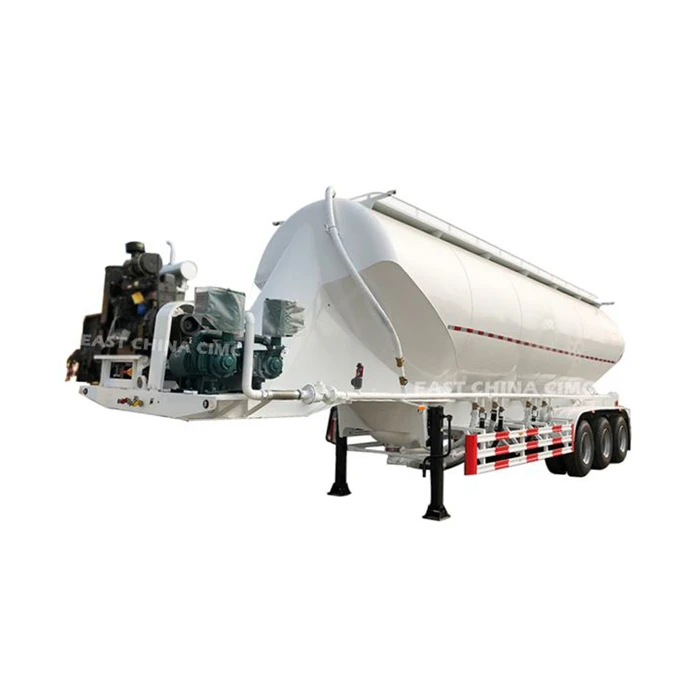
Cleaning the tanker's interior and exterior regularly is essential. After each delivery, the interior should be thoroughly cleaned to remove any residual flour. This helps prevent the accumulation of moisture and the growth of bacteria, which can contribute to corrosion.
Inspections should be carried out at regular intervals to detect any signs of corrosion early. Visual inspections can identify surface rust, coating damage, or other signs of deterioration. Non - destructive testing methods, such as ultrasonic testing and magnetic particle testing, can be used to detect internal corrosion that may not be visible to the naked eye.
Proper Storage
When the bulk flour tanker is not in use, proper storage is important to prevent corrosion. The tanker should be stored in a dry, covered area to protect it from the elements. If outdoor storage is unavoidable, a waterproof cover can be used to shield the tanker from rain and snow.
It is also important to ensure that the tanker is stored in a well - ventilated area. Stagnant air can lead to the accumulation of moisture, which can increase the risk of corrosion.
Training for Operators
Proper training for the tanker operators is another important aspect of anti - corrosion measures. Operators should be educated on the importance of following the maintenance procedures, such as cleaning and inspection. They should also be trained to handle the tanker in a way that minimizes the risk of damage to the protective coatings.
For example, operators should avoid using abrasive cleaning materials that can scratch the coating. They should also be aware of the signs of corrosion and report any issues immediately.
Conclusion
In conclusion, protecting bulk flour tankers from corrosion requires a multi - faceted approach. From material selection and surface coating to cathodic protection, regular maintenance, proper storage, and operator training, each measure plays a vital role in ensuring the longevity and reliability of the tankers.
As a supplier of bulk flour tankers, we are committed to providing high - quality products that are well - protected against corrosion. Our Aluminum Flour Bulker Trailer and Pneumatic Dry Bulk Trailers are designed with the latest anti - corrosion technologies to meet the needs of our customers.
If you are interested in purchasing bulk flour tankers or have any questions about anti - corrosion measures, please feel free to contact us for further discussions and procurement negotiations. We look forward to serving you and providing you with the best solutions for your bulk flour transportation needs.
References
- "Corrosion Prevention in the Transportation Industry" - Journal of Transportation Materials Science
- "Materials for Bulk Cargo Tankers" - International Maritime Materials Research Institute
- "Maintenance Best Practices for Bulk Flour Tankers" - National Bulk Transportation Association