

As a powder tanker supplier, I've witnessed firsthand the importance of proper documentation in the transportation of powder materials. Powder tankers are used to transport a wide range of dry bulk commodities, such as cement, flour, and chemicals. Each of these materials has its own unique set of requirements when it comes to documentation, and failure to comply can result in significant delays, fines, or even legal issues. In this blog post, I'll delve into the essential documentation requirements for powder tanker transportation.
Bill of Lading
The bill of lading is perhaps the most crucial document in powder tanker transportation. It serves as a contract between the shipper and the carrier, detailing the goods being transported, the origin and destination of the shipment, and the terms of the agreement. The bill of lading also acts as a receipt for the goods, acknowledging that they have been received by the carrier in good condition.
For powder tanker shipments, the bill of lading should include specific information about the powder material, such as its type, quantity, and quality specifications. This information is essential for ensuring that the correct product is being transported and that it meets the required standards. Additionally, the bill of lading should indicate any special handling instructions or precautions that need to be taken during transportation.
Certificate of Analysis
A certificate of analysis (COA) is a document that provides detailed information about the chemical and physical properties of the powder material being transported. This document is typically issued by a third - party laboratory or testing facility and is used to verify the quality and composition of the product.
The COA is important for several reasons. Firstly, it helps to ensure that the powder material meets the regulatory requirements for transportation. For example, certain chemicals may have specific limits on their composition or purity, and the COA can confirm that these limits are being met. Secondly, the COA can be used by the recipient to verify the quality of the product upon arrival. This is particularly important for industries where the quality of the powder material can have a significant impact on the end - product, such as the construction or food industries.
Hazardous Materials Documentation
If the powder being transported is classified as a hazardous material, additional documentation is required. This includes a hazardous materials shipping paper, which provides detailed information about the nature of the hazard, the proper shipping name, the hazard class, and the quantity being transported.
In addition to the shipping paper, the carrier must also ensure that the powder tanker is properly labeled and marked to indicate the presence of hazardous materials. This includes placards, labels, and markings that comply with international and national regulations. The driver of the powder tanker must also be trained in the handling and transportation of hazardous materials and have the necessary certifications.

Transport Insurance Documents
Transport insurance is an important consideration in powder tanker transportation. It provides financial protection in case of damage, loss, or theft of the powder material during transit. The insurance documents should clearly state the scope of coverage, the value of the insured goods, and the terms and conditions of the policy.
As a powder tanker supplier, I always recommend that my customers obtain adequate transport insurance for their shipments. This not only protects their investment but also provides peace of mind knowing that they are covered in case of unforeseen events.
Permits and Licenses
Depending on the type of powder material being transported and the route of the shipment, various permits and licenses may be required. For example, if the powder is a restricted or controlled substance, a special permit may be needed from the relevant regulatory authorities.
In addition, the carrier must have the necessary licenses to operate a powder tanker. This includes a commercial driver's license (CDL) with the appropriate endorsements for transporting hazardous materials, if applicable. The powder tanker itself must also be registered and comply with all safety and environmental regulations.
Inspection and Maintenance Records
Regular inspection and maintenance of the powder tanker are essential for ensuring safe and efficient transportation. The carrier should keep detailed records of all inspections, maintenance activities, and repairs performed on the tanker.
These records can be used to demonstrate compliance with safety regulations and to identify any potential issues before they become major problems. For example, if a component of the powder tanker is showing signs of wear or damage, the maintenance records can be used to schedule timely repairs and prevent breakdowns during transportation.
Customs Documentation
For international powder tanker shipments, customs documentation is required. This includes a commercial invoice, which provides details about the value of the goods, the terms of sale, and the parties involved in the transaction. The commercial invoice is used by customs authorities to determine the amount of duties and taxes payable on the shipment.
In addition to the commercial invoice, other customs documents may be required, such as a packing list, a certificate of origin, and a customs declaration form. These documents help to ensure that the powder material can be cleared through customs smoothly and that all applicable regulations are being followed.
Conclusion
In conclusion, proper documentation is essential for the successful transportation of powder materials using tankers. From the bill of lading to customs documentation, each document plays a crucial role in ensuring compliance with regulations, protecting the interests of all parties involved, and facilitating the smooth flow of goods.
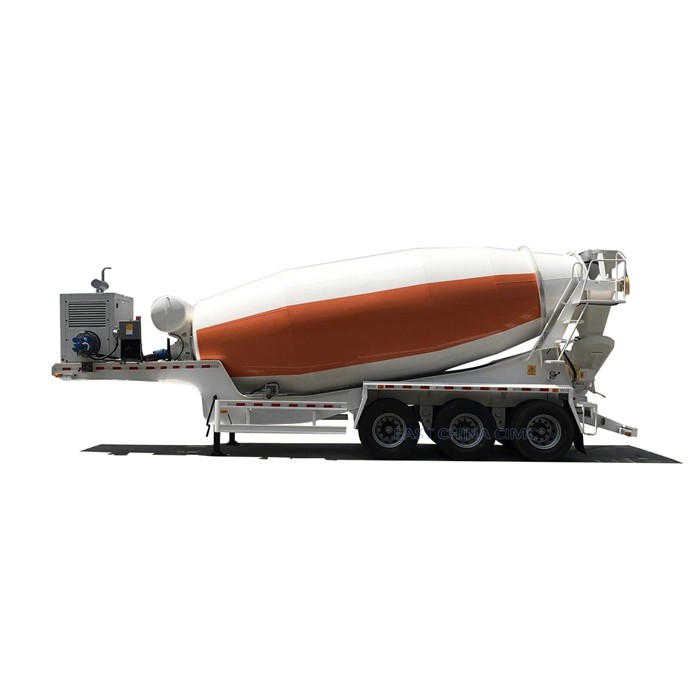
As a powder tanker supplier, I understand the complexities of documentation requirements and am committed to helping my customers navigate through them. If you are in the market for a powder tanker or need advice on documentation for powder tanker transportation, I encourage you to reach out to me. We also offer a variety of related products such as Concrete Mixing Truck Trailer, Bulk Cement Tank Trailer, and Dry Bulk Trailer. Contact me to discuss your specific needs and start the procurement process.
References
- "Transportation of Hazardous Materials: Regulations and Best Practices" - Department of Transportation
- "Guide to Shipping Documents" - International Chamber of Commerce
- "Powder Handling and Transport Standards" - American Society of Mechanical Engineers