

As a reputable supplier of dry bulk trailers, I understand the critical importance of adhering to strict inspection requirements. These requirements not only ensure the safety and reliability of the trailers but also play a significant role in maintaining compliance with industry standards and regulations. In this blog post, I will delve into the essential inspection requirements for dry bulk trailers, exploring key aspects such as structural integrity, tank condition, and operational functionality.

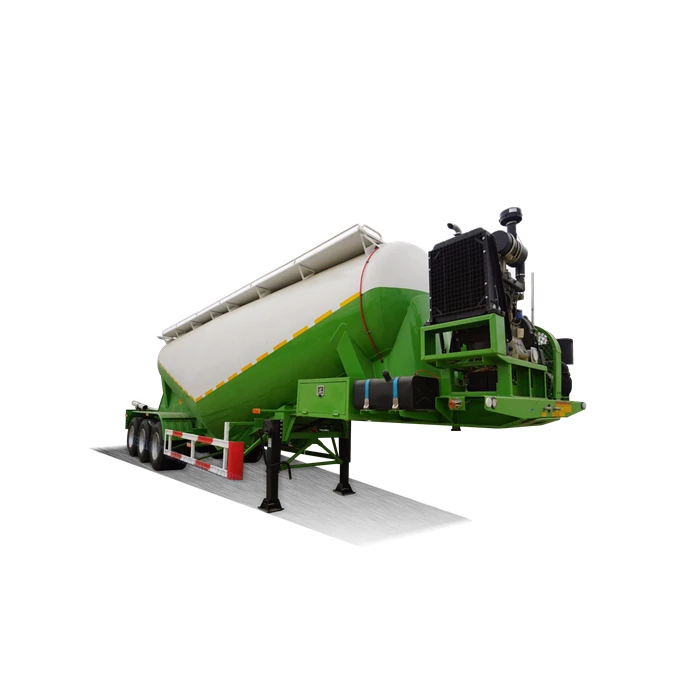
Structural Integrity
One of the primary areas of focus during the inspection of a dry bulk trailer is its structural integrity. The trailer's frame, chassis, and body must be thoroughly examined for any signs of damage, corrosion, or fatigue. This includes checking for cracks, dents, and weld failures, as these can compromise the trailer's safety and performance.
The frame, which serves as the backbone of the trailer, is particularly susceptible to stress and wear. During inspection, pay close attention to areas where the frame is subjected to high loads, such as the suspension mounting points and the connection between the tank and the chassis. Any signs of deformation or damage should be addressed immediately to prevent further deterioration.
Corrosion is another significant concern that can affect the structural integrity of a dry bulk trailer. Moisture, chemicals, and road salt can all contribute to the corrosion of metal components, weakening the trailer and increasing the risk of failure. Inspect the trailer's exterior and interior surfaces for signs of rust, including flaking paint, discoloration, and pitting. If corrosion is detected, it should be treated promptly to prevent it from spreading.
In addition to visual inspections, non-destructive testing methods such as ultrasonic testing and magnetic particle inspection can be used to detect hidden cracks and defects in the trailer's structure. These tests can provide valuable insights into the condition of the trailer and help identify potential issues before they become serious problems.
Tank Condition
The tank is the heart of a dry bulk trailer, and its condition is crucial for safe and efficient operation. During the inspection, the tank should be examined for any signs of damage, leaks, or corrosion. This includes checking the tank's walls, seams, and fittings for cracks, dents, and other defects.
Inspect the tank's interior for any signs of product residue or contamination. Residue can accumulate over time, reducing the tank's capacity and potentially causing blockages in the discharge system. If residue is detected, the tank should be thoroughly cleaned to ensure proper operation.
The tank's valves, pipes, and fittings should also be inspected for leaks and proper functioning. Check the seals and gaskets for signs of wear or damage, and ensure that all connections are tight and secure. Any leaks or malfunctioning components should be repaired or replaced immediately to prevent product loss and ensure safe operation.
In addition to the physical inspection of the tank, it is also important to check the tank's pressure relief system. The pressure relief valve is designed to release excess pressure from the tank in the event of a malfunction or overfilling. During the inspection, test the pressure relief valve to ensure that it is functioning properly and set to the correct pressure.
Operational Functionality
In addition to the structural integrity and tank condition, the operational functionality of a dry bulk trailer is also critical. The trailer's braking system, suspension, and electrical system should be thoroughly inspected to ensure that they are in good working condition.
The braking system is one of the most important safety features of a dry bulk trailer. During the inspection, check the brake pads, drums, and calipers for wear and damage. Ensure that the brakes are properly adjusted and that there is no excessive play in the brake pedal. Test the brakes to ensure that they are functioning properly and provide sufficient stopping power.
The suspension system is responsible for providing a smooth and stable ride for the trailer. Inspect the suspension components, including the springs, shock absorbers, and axles, for signs of wear and damage. Ensure that the suspension is properly aligned and that there is no excessive movement or bouncing.
The electrical system is essential for the operation of the trailer's lights, brakes, and other accessories. Check the wiring, connectors, and fuses for signs of damage or corrosion. Ensure that all lights are working properly, including the headlights, taillights, brake lights, and turn signals.
Additional Inspection Requirements
In addition to the structural integrity, tank condition, and operational functionality, there are several other inspection requirements that should be considered when inspecting a dry bulk trailer. These include:
- Tire inspection: Check the tires for proper inflation, tread depth, and wear. Replace any tires that are worn or damaged.
- Safety equipment: Ensure that the trailer is equipped with all the necessary safety equipment, including fire extinguishers, reflective tape, and warning triangles.
- Documentation: Check the trailer's documentation, including the registration, insurance, and maintenance records. Ensure that all documentation is up to date and in compliance with local regulations.
Conclusion
In conclusion, the inspection requirements for a dry bulk trailer are comprehensive and cover a wide range of areas, including structural integrity, tank condition, and operational functionality. By following these requirements and conducting regular inspections, you can ensure the safety and reliability of your dry bulk trailers and maintain compliance with industry standards and regulations.
As a leading supplier of dry bulk trailers, we offer a wide range of high-quality trailers that meet the most stringent inspection requirements. Our trailers are designed and manufactured using the latest technology and materials, ensuring superior performance and durability.
If you are in the market for a dry bulk trailer, we invite you to explore our product range. We offer a variety of options to suit your specific needs and requirements, including the CIMC Aluminum Bulk Cement |Powder Silo Tank Trailer, 35CBM Dry Bulk Cement|Powder Tank Trailer, and 40cbm Cement Trailer.
Contact us today to learn more about our products and to discuss your specific needs. Our team of experts is ready to assist you in finding the perfect dry bulk trailer for your business.
References
- Federal Motor Carrier Safety Administration. (n.d.). Commercial Motor Vehicle Inspection Criteria. Retrieved from [FMCSA Website]
- American Society of Mechanical Engineers. (n.d.). Boiler and Pressure Vessel Code. Retrieved from [ASME Website]
- National Fire Protection Association. (n.d.). NFPA 10: Standard for Portable Fire Extinguishers. Retrieved from [NFPA Website]